How Much Does a New Septic System Installation Cost in 2026?
Last updated: September 10, 2026
Key Takeaways
- Excavation and installation: commonly 1 to 3 days for simple systems, longer for large or engineered systems.
- Final grading and restoration: another 1 to 2 days, depending on lawn, driveway, or landscaping repair.
- A normal sequence looks like this: Site evaluation and soil testing: often 1 day to several visits, depending on weather and county scheduling.
- How much does a replacement cost versus a new install?
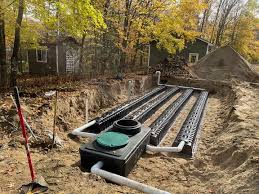
A new septic system installation in 2026 usually costs several thousand dollars and can run much higher when soil, lot size, permits, or a raised bed system are involved. For a home in Lancaster County, Berks County, Chester County, or the surrounding rural parts of southeastern Pennsylvania, the real answer is not one neat figure; it is a spread shaped by perc results, tank size, drainfield design, and local permit work. If you are pricing how much does new septic system installation cost 2026?, start with that reality. This is information, not financial advice, and for your own situation you should speak with a qualified local contractor, lender, or adviser.
What a new septic system installation costs in 2026
On a clear, roomy lot, a new septic system installation in 2026 typically costs less than it does on a tight, wet, rocky, or heavily regulated site. The site decides a lot. Honestly, it decides most of it. The biggest price swing comes from the disposal area, not the tank itself, so how much does new septic system installation cost 2026? depends heavily on the field design.
Here is a practical way I would think about the price in this area of Pennsylvania, but you should consult a local septic professional and confirm the numbers with county permitting sources:
| Septic system type | Typical cost drivers | What usually pushes the price up |
|---|---|---|
| Conventional gravity system | Tank, drainfield, excavation, inspection | Poor perc, long trench runs, ledge, tree clearing |
| Pressure distribution system | Pump, control panel, electrical work, more controls | Higher water table, uneven lot, longer utility work |
| Mound or elevated system | Imported fill, more engineering, larger footprint | Wet soils, shallow bedrock, seasonal saturation |
| Aerobic or advanced treatment system | Treatment unit, alarms, maintenance access | Small lot, sensitive soils, stricter site requirements |
| Replacement of failed system | Old system removal, soil remediation, redesign | Contaminated soil, limited access, emergency timing |
A generic article often hides the part that hurts the budget: the drainfield can cost as much as, or more than, the tank and labor combined. In Chester County’s clay-heavy areas and in lower-lying ground near creeks, the soil can force a more complex design. In parts of Lancaster County with heavier agricultural traffic, compaction and drainage issues can also change the job fast. Mud does not care about your timeline.
I would be cautious with any quote that treats all “new septic systems” as the same thing, and you should confirm the scope with a licensed local contractor. A standard gravity system on a generous lot and a mound system on a wet lot are not comparable jobs. For background on onsite wastewater and soil-based constraints, see the Pennsylvania Department of Environmental Protection and county sewage program guidance.
What changes the price in Lancaster, Chester, and Berks County?
The cost changes because southeastern Pennsylvania mixes clay, shale, variable subsoils, and seasonal groundwater conditions that can turn a straightforward install into an engineered project. A site that looks easy from the driveway may still need soil testing, a redesign, or a larger absorption area. That part can sneak up on people.
The main local price drivers are:
- Perc and soil test results. If the soil cannot pass a conventional percolation test, you may be pushed toward a pressure, mound, or advanced treatment design, so consult a qualified septic professional before assuming a standard layout.
- Slope and elevation. Steeper lots in the Welsh Mountain areas or on rolling ground in Chester County can need more excavation and grading.
- Access for equipment. A narrow driveway, stone wall, mature trees, or overhead lines can add machine time and labor.
- Seasonal groundwater. Spring saturation can limit when trenches or beds are installed.
- County and township requirements. Penn Township, West Lampeter Township, East Hempfield Township, and many others can require specific permit steps and inspections before backfill.
- Replacement versus new build. A replacement on an existing failed system can include demolition and soil remediation that a new build does not.
For licensing and permitting, Pennsylvania is not a one-number state. Local health departments, sewage enforcement officers, and township rules matter. The Pennsylvania Department of Environmental Protection and county sewage programs are the places to verify current requirements, and the Pennsylvania DEP is the state authority to check for system rules and onsite wastewater guidance. For homeowners, a permit is usually not the place to improvise.
If you are in Lancaster, Lititz, Ephrata, Reading, West Chester, Coatesville, Downingtown, Kennett Square, Wyomissing, or the nearby townships and boroughs, a contractor familiar with local sewage enforcement will usually save time by spotting the likely system type before the work gets far. That matters because a “cheap” quote that ignores local soil conditions often becomes the expensive one later.
How long does septic installation take?

A new septic installation usually takes days of field work plus weeks of approvals and testing, not a single quick visit. The calendar is often longer than the digging, especially when you are planning how much does new septic system installation cost 2026? around a permit schedule. Paperwork is the slow gear here.
A normal sequence looks like this:
- Site evaluation and soil testing: often 1 day to several visits, depending on weather and county scheduling.
- Design and permit approval: often several days to a few weeks, sometimes longer if the site needs revisions.
- Excavation and installation: commonly 1 to 3 days for simple systems, longer for large or engineered systems.
- Inspection and backfill: usually tied to permit inspection timing.
- Final grading and restoration: another 1 to 2 days, depending on lawn, driveway, or landscaping repair.
In southeastern Pennsylvania, timing depends heavily on ground conditions in late winter and spring. Frozen soil, saturated clay, and rain can slow excavation. I would be wary of anyone promising a same-week installation without first seeing the lot and permit path. Emergency replacements can move faster, but only if the design is straightforward and the inspector can schedule quickly.
A detail many people miss: the equipment can be ready before the paperwork is. If the local sewage enforcement office requires a specific plan review or reserve area confirmation, that step can control the schedule more than the contractor’s calendar.
What does a septic quote in this area usually include?
A solid septic quote should include site work, the approved design, the tank, the drainfield or alternate disposal area, piping, labor, inspection coordination, and final grading, not just the hole in the ground. Miss one piece, and the number is incomplete; that changes how you judge how much does new septic system installation cost 2026?
I would expect to see line items or clear language for:
- Soil testing or perc testing
- Engineering or system design
- Permit fees
- Tank purchase and set
- Drainfield materials
- Pumps, floats, and control panel if needed
- Electrical work for pumped systems
- Excavation and backfill
- Hauling excess soil away if required
- Restoration of disturbed areas
A quote can look low because it excludes the part that becomes unavoidable later. For example, an installer may price only a conventional gravity system, then discover the site needs a pressure distribution system. That changes the budget by far more than most owners expect.
This is also where financing decisions get complicated. If the system is tied to a mortgage closing, refinance, or home sale, the timing of permit approval and inspection matters as much as the total price. That is why I would not treat the lowest quote as the best quote without checking the scope.
How do I vet a septic contractor in southeastern Pennsylvania?
You vet a septic contractor by confirming local licensing, sewage enforcement familiarity, permit experience, and a written scope, not by asking for the fastest start date. A contractor who works in Lancaster County may still need to know how your township handles permits, inspections, and reserve areas, so compare that experience before you decide.
I would check for these items before signing anything:
- Proof that the contractor is allowed to work in your township or county
- Familiarity with Pennsylvania DEP rules and the local sewage program
- A written estimate that names the system type, not just “new septic”
- A plan for soil testing and inspections
- Warranty terms for equipment and labor
- Who handles pump wiring, electrical permits, and restoration
- Whether the contractor has worked with your type of soil, lot slope, or groundwater condition
A useful question is, “What happens if the perc test fails?” A good contractor should explain the next step plainly: redesign, alternate system, or a different disposal area. A weak answer usually means the first quote was built on an assumption, not a site review.
This is also where you should ask for service-area clarity. Many contractors serving Lancaster, York-adjacent rural areas, Lebanon County edges, and the suburbs around West Chester and Reading travel widely, but travel time and mobilization can change pricing. If your site is outside the main route, ask whether a mobilization charge applies.
When is the best time of year to install a septic system here?
Usually, the best time is when the ground is dry enough for excavation and the permit path is already moving, which often means late spring through early fall in southeastern Pennsylvania. Still, the right window for your lot depends on soil moisture, access, and the inspector’s schedule, so ask a local contractor before you lock in a date.
Here is the practical seasonal pattern I would watch:
- Winter: Frozen ground can slow excavation and backfill.
- Early spring: Saturated soil can make testing and trench work harder.
- Late spring and summer: Often better for access and drainage work.
- Fall: A common window for finishing before winter weather sets in.
On some properties in Berks County and the lower-lying parts of Chester County, a wet season can turn a normal install into a drainage management problem. If your lot sits near a creek, swale, or seasonal wet area, the calendar matters because the soil itself may behave differently month to month. Same ground, different mood.
If you are trying to close on a house, buy a vacant lot, or replace a failed system, do not wait for the “perfect” month. I would rather see a realistic permit and weather plan than a stalled project that misses a closing date.
Red flags in septic pricing and contracts
A septic quote should worry you if it is dramatically lower than others, vague about system type, or missing permit and inspection details. The cheapest number is often the one with the largest exclusions, so use it carefully when comparing how much does new septic system installation cost 2026?
Here are the red flags I would treat seriously:
- No mention of soil testing or perc results
- No named system type
- “Permit fees extra” with no estimate
- No allowance for pumps or electrical work
- No restoration of disturbed areas
- A timeline that ignores county approvals
- A deposit request that is large without a written scope
- Any promise that the site will “definitely” work without testing
A quote can also be too high if it pads every possible complication without showing why. Ask what in the site report caused the price. On a sloped lot in the Lancaster County countryside, for example, a mound system may be justified. On a flatter, well-drained lot, the same pricing logic may not hold.
Who this is not for: if you want a single national average to make a purchase decision, this is the wrong topic. Septic pricing is local, soil-driven, and permit-driven. A homeowner in West Chester will not face the same job as someone on a wooded lot outside Ephrata.
Septic system cost FAQs
A few quick answers can help when you are deciding whether to call for an estimate, ask about emergency service, or compare permit-heavy quotes for how much does new septic system installation cost 2026?
Do I need a free estimate before I book?
Usually yes, because septic pricing depends on the site. A true estimate should include soil, slope, access, and the likely system type.
Can a septic system be installed in an emergency?
Sometimes, but only if the site can be assessed quickly and the local permit process allows it. Emergency work is often limited by inspection timing.
How much does a replacement cost versus a new install?
A replacement can cost more if the old system must be removed, the soil is damaged, or the layout has changed. A new build can be simpler if the lot was planned for septic from the start.
How long does a permit take?
It can take days or weeks depending on the township, county office, soil test results, and whether the design needs revision. There is no single Pennsylvania-wide timeline.
Should I ask about same-day service?
Only if the issue is urgent and the contractor specifically handles emergency calls. For a full septic installation, same-day service is not a realistic expectation in most cases.
If you are comparing quotes in Lancaster, Berks, Chester, or nearby communities like Lititz, Ephrata, Reading, West Chester, Downingtown, and Kennett Square, the question is not just “How much?” It is “What system does my site actually need, what does the permit path look like, and what will the final installed price include?” That is the number worth pinning down before you sign anything.