Septic Tank Pumping Schedule for a Newly Installed System
Last updated: September 10, 2026
Key Takeaways
- A larger household, or a smaller 750-gallon tank, usually needs more frequent service.
- The first 12 to 24 months are when you learn the system’s real loading pattern.
- Confirm whether the tank is 750, 1,000, 1,250, or larger gallons on the permit or lid tag.
- If present, clean it every 6 to 12 months unless the installer specifies otherwise.
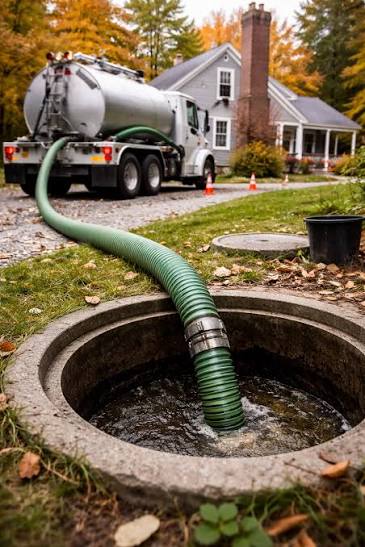
For septic tank pumping schedule newly installed system planning, the short version is simple: begin with an inspection at about 12 months, then decide the pumping interval from tank size, household use, and measured sludge and scum. Usually, the first pump-out for a conventional home system lands around 3 years. Usually. But that only holds until the tank tells a different story. If you are unsure, consult a septic professional and check the EPA’s septic system guidance. For residential wastewater system maintenance, the septic tank pumping schedule newly installed system should always be adjusted to the site, the permit, and the installer’s instructions.
This article assumes you know where the tank lid or riser is, have access to the installation paperwork, and can read the tank size in gallons. It also assumes the system is a conventional septic tank and drain field, not a holding tank, mound system, or shared commercial system. Got a grinder pump, a garbage disposal used daily, a large household, or very heavy laundry loads? Then the septic tank pumping schedule newly installed system needs closer attention. If the system is still under installer warranty, the best first move is often to follow the installer’s maintenance terms exactly, because some warranties require proof of pumping or inspection at specific intervals; if anything in the warranty is unclear, confirm it with the installer or a septic professional.
What changes after a new septic system is installed?
The pumping clock does not start from “forever”; it starts from normal use, and the first few years matter most. A brand-new tank often contains only the sludge and scum your household creates, so the interval before the first pump-out can be longer than people expect. Don’t let that lull you. The solids layer keeps building, and once it gets too close to the outlet baffle or effluent filter, the tank can send solids into the drain field.
A septic tank uses three terms worth knowing. Scum is the floating layer of fats, oils, and lighter debris. Sludge is the settled solids on the bottom. Effluent is the liquid that leaves the tank. A good pumping schedule is really a schedule for measuring how much scum and sludge have accumulated, not just guessing by calendar year. No fortune-telling. Just readings.
For a standard 1,000-gallon tank serving 2 to 4 people, many service providers start with a 3-year interval, then shorten or lengthen that based on the inspection; EPA guidance also emphasizes that pumping frequency varies by tank size, household size, and wastewater use. A larger household, or a smaller 750-gallon tank, usually needs more frequent service. A household with a garbage disposal often needs pumping sooner because food waste adds solids fast. If the installer told you the tank includes an effluent filter, keep in mind that the filter also changes maintenance: it can clog before the tank truly fills, so the filter should be cleaned on the inspection schedule even when pumping is not yet due.
What a generic article gets wrong is treating “newly installed” as if it means “maintenance-free.” It is the opposite. The first 12 to 24 months are when you learn the system’s real loading pattern. If your water use is high in year one, the pump interval you can safely use later may be shorter than the brochure’s average. Consult a septic professional if the first inspection suggests faster buildup than expected.
How often should a newly installed septic tank be pumped?
A newly installed septic tank should usually be inspected after 1 year and pumped about every 3 to 5 years unless the inspection shows faster solids buildup. That is the starting point, not a final rule. I’d treat “3 years” as a handy default for an ordinary single-family home with a conventional tank, then let the tank’s condition decide the next interval; if your system design is unusual, confirm the timing with a septic professional and your local health department.
Here is the practical way to set the schedule:
- Start with the tank size in gallons. Confirm whether the tank is 750, 1,000, 1,250, or larger gallons on the permit or lid tag. Check the paperwork before you book anything. Guessing from house square footage is a bad move; that sort of shortcut usually ends with late pumping.
- Count the actual number of occupants. Use the people living there, not the number of bedrooms. Verify whether children, guests, or tenants are present most days. A problem sign is a household with 5 people using a schedule meant for 2.
- Ask whether a garbage disposal is in regular use. If it is used daily, shorten the interval. Verify whether food scraps, coffee grounds, or grease go down the sink. A problem sign is expecting a 5-year interval with heavy kitchen waste.
- Check for an effluent filter at the outlet. If present, clean it every 6 to 12 months unless the installer specifies otherwise. Make sure the filter is reachable and noted in the records. A problem sign is a slow sink or gurgling plumbing with a filter that has never been serviced.
- Schedule the first inspection at about 12 months. The inspector should measure sludge and scum depth with a tool, not guess. Verify whether the combined sludge and scum leave enough clear liquid depth above the outlet zone. A problem sign is more than roughly one-third of the tank occupied by solids, which means the pump-out should not wait.
- Pump before solids reach the outlet baffle or tee. Those parts keep solids in the tank and out of the drain field. Verify that the pumper cleans both chambers if your tank has two. A problem sign is visible carryover of solids or black, cloudy liquid near the outlet.
- Record the date, tank size, service company, and measured depths. Keep this with the septic permit and as-built drawing. Nail down the next target date right away. A problem sign is “I think it was pumped sometime last summer,” which is not a record and will not help when the system starts acting up.
- Adjust the next interval based on what the tank actually held. If the tank was nearly clean after 12 months, the next interval may stretch. If it was already heavy with sludge, shorten it. Verify that the next schedule is written in months, not “when it seems needed.” A problem sign is repeating the same interval forever without checking conditions.
For most homes, that first inspection is more valuable than the first pump-out. A new system that is underloaded may only need inspection and filter cleaning at 12 months, with pumping later. A new system under heavy use may need pumping immediately after that first inspection. The calendar matters less than the measured sludge and scum. That’s the real heartbeat.
What should I check before I set the next pumping date?
I would check four things before I lock in the next date: tank size, household load, service history, and site behavior. Those four tell you more than a generic “every 3 years” rule ever will.
First, find the tank capacity. A 750-gallon tank and a 1,500-gallon tank do not live on the same schedule. Second, count people and patterns. A house with two adults who travel often produces less wastewater than a six-person household where laundry runs daily. Third, note what the installer wrote down. Some systems are designed with an aerobic treatment unit, dosing pump, or additional compartments, and those parts can require service at 6-month or 12-month intervals; if your system has those components, consult the installer or a septic professional before choosing a schedule. Fourth, watch the drain field area. Wet spots, sewage odor, unusually green grass over the field, or slow fixtures are not “normal settling.” They are warning signs that the schedule may already be too long.
There is also a difference between pumping and inspection. Pumping removes accumulated solids. Inspection tells you whether pumping is actually needed yet. For a newly installed system, I prefer inspection first unless the tank is already overdue, because pumping a lightly used tank too early adds cost without adding much value. But if the installer says the system was left with construction debris, gravel, or unexpected solids, follow that advice and pump sooner.
One detail many people miss: if the tank has a riser to grade, access is easier and cheaper. If you still need to expose the lid, make sure the lid is strong enough to be safely opened by a qualified pumper. That is one place where “DIY” ends and a septic professional begins.
When should you stop following the standard schedule?
You should stop using a simple calendar rule when any of the following shows up, because the system is telling you the rule no longer fits.
Odors near the tank, riser, or drain field: This suggests gases or a system upset, not just normal service timing — schedule an inspection before you decide on the next pumping date.
Slow toilets, gurgling drains, or sewage backing up: This means the tank may be full, the filter may be clogged, or the drain field may be stressed — do not wait for the regular interval; get the system checked immediately.
Standing water or soft soil over the drain field after dry weather: This points to field loading or failure, not a tank-calendar problem — pumping alone may not fix it, so have the whole system evaluated.
More than 5 people using a system sized for a smaller household: The tank can accumulate solids much faster than the default schedule assumes — shorten the interval and base the next date on measured sludge depth.
Heavy use of a garbage disposal, hot tub discharge, or frequent large laundry loads: These add solids or surge water into the tank — reduce reliance on generic 3-year guidance and inspect sooner, often within 12 months.
High groundwater, flooding, or a recently saturated yard: Water intrusion can make the system behave unpredictably and can stress the drain field — wait for a qualified inspection rather than pumping on routine alone.
This is also where a conventional schedule does not apply well: older tanks with damaged baffles, tanks with only one access point, systems with alarms, or systems under local inspection rules that require recorded service. In those cases, the schedule comes from the design and the municipality, not from a general article.
The mistakes people actually make with a new system
The biggest mistake is waiting too long because the tank is “new.” That can turn a cheap service call into a drain field repair, and drain field problems are the expensive kind. Better to inspect early, usually around 12 months, and then set the interval from measured sludge.
A second mistake is pumping on a fixed date without looking at condition. A tank that was barely used in year one does not need the same treatment as a house with a large family and a disposal. The correct alternative is to use the inspection result as the trigger, not the calendar alone.
A third mistake is cleaning only the tank and ignoring the effluent filter. If the filter clogs, wastewater cannot leave the tank properly. The consequence is slow drains and possible backup even when the tank is not technically “full.” The correct alternative is to service the filter every 6 to 12 months if your system has one. Short job. Big payoff.
A fourth mistake is letting roof runoff, sump pump discharge, or groundwater flow into the septic area. That extra water does not get “handled” by the tank; it pushes the field harder and can shorten its life. The correct alternative is to keep clean water away from the tank and field entirely.
A fifth mistake is not keeping records. Without dates and measurements, the next pumping decision becomes guesswork. The correct alternative is to write down the service date, the measured sludge and scum depths, and the next target month in the same place you keep the septic permit.
A sixth mistake is assuming any plumber can service any septic tank. Many can handle the plumbing side, but tank access, pumping, and outlet-filter service are separate skills. The correct alternative is to use a qualified septic pumper for tank service and a septic professional for system failures or field concerns.
How long does septic tank pumping take, and what does good service look like?
A routine septic tank pump-out usually takes about 30 to 90 minutes on site, but the whole visit can run longer if the lids must be exposed or the tank is hard to access. The exact time depends on whether the lids are already visible, whether the tank has two compartments, and whether the pumper also cleans an effluent filter.
Good service looks boring in the right way. The pumper locates the access, opens the lids safely, removes the contents, and leaves enough liquid in the tank if local practice or the tank design calls for it. The technician should also check for signs of damage: broken baffles, root intrusion, backflow, unusual solids, or a filter that is packed with debris. If the tank is pumped and nobody mentions what was found, I would treat that as incomplete service.
A bad job often shows up later as the same slow drains, the same odor, or a tank that fills unusually fast. Sometimes the mistake is simple: only one chamber was pumped in a two-compartment tank. Sometimes the lid was left buried and future service becomes harder. Sometimes the filter was not cleaned, so the system still behaves blocked even though the tank is empty enough.
The right result is not “empty tank forever.” The right result is a usable service interval. For a new system, that usually means you leave the first inspection with a written target, often somewhere between 12 months and 5 years depending on use. That interval should come from actual sludge and scum readings, not from a sales pitch or a neighbor’s guess.
What if the standard schedule does not fit my system?
It usually needs adjustment if the system is small, heavily used, or fitted with extra equipment. A 750-gallon tank serving a busy household may need more frequent pumping than a 1,500-gallon tank serving two people. A system with an aerobic treatment unit, dosing pump, alarms, or a grinder pump has parts that can change the maintenance timetable, sometimes to 6-month or 12-month service intervals; because these systems vary by design, consult a septic professional and your permit conditions before changing the septic tank pumping schedule newly installed system. A house with a basement laundry and frequent long showers can also build solids and hydraulic load faster than expected.
Local rules matter too. Some counties and state programs require documented inspections at set intervals, especially for newer installations or properties near sensitive water. If your permit or local health department gave you a maintenance schedule, that schedule outranks general advice. I’d follow the permit conditions exactly because they are tied to the design and the site, not to a generic home.
One specific trade-off is cost versus certainty. Pumping earlier than necessary costs more, but it buys certainty and protects a new drain field. Waiting longer saves money now but increases the risk of solids reaching the outlet, clogging the filter, or overloading the drain field before you notice the problem.