How to Maintain a New Septic System After Installation
Last updated: September 10, 2026
Key Takeaways
- For the first 30 to 90 days, spread laundry over several days, fix running toilets, and avoid marathon showers.
- A typical residential tank is pumped every 3 to 5 years, but that is not a rule.
- Verify you can hand that file to the next service person in under 2 minutes.
- The better habit is to spread major water use across 24 hours.
How to maintain new septic system after installation starts with a few plain habits: protect the drainfield, keep solids out, and check that the tank, baffles, risers, and distribution box are doing what the installer set them up to do. Treat it like a wastewater system, not a trash can. That matters. A new septic system can last longer if you use it carefully, but unusual layouts and newer treatment units should be reviewed by a licensed septic professional or your local health department before you change anything.
Who this applies to, and what I’m assuming you already know

This applies to homeowners with a conventional septic tank and drainfield, whether the system is brand new or newly repaired after a failed one. I’m assuming you know where your tank lid or riser is, where the drainfield sits, and whether you have a pump chamber, an effluent filter, or a mound system. Don’t know those basics yet? Get the as-built drawing from the installer or local health department before you start poking around.
I am also assuming your system was installed to local code and passed inspection. The exact maintenance schedule changes with soil type, climate, and household size. A sandy site in the Southeast behaves differently from a clay site in the Midwest, and a shallow water table changes everything. So does the lot. If your place has a high groundwater table, steep slope, or a mound system, be stricter about water use and surface drainage than a standard suburban lot.
This is a household maintenance job, not a hobby project. You can handle water conservation, monthly visual checks, and keeping records. But you should not open a buried tank lid without knowing whether it is safe, and you should not enter any septic structure. Hydrogen sulfide and methane can kill quickly. If the system backs up into the house, if the drainfield is wet or surfacing, or if the installer left you with a dosing pump, alarm, or advanced treatment unit you don’t understand, call the qualified septic contractor who installed it or a licensed local company that services that exact system type, and follow guidance from the EPA and your local health department.
The goal is simple: avoid putting too much water, grease, wipes, bleach, or solids into a system that is still settling in. The first 6 to 12 months matter most because the soil around the drainfield is adjusting and any mistake shows up faster than it does in an older system. A new field is a bit touchy. Honestly, that’s the trade-off.
How do I take care of a new septic system after installation?
By controlling water, keeping solids out, and checking it on a schedule from day one. How to maintain new septic system after installation is mostly about a simple first-year routine, but consistency is the part people miss. Here’s the order I’d use.
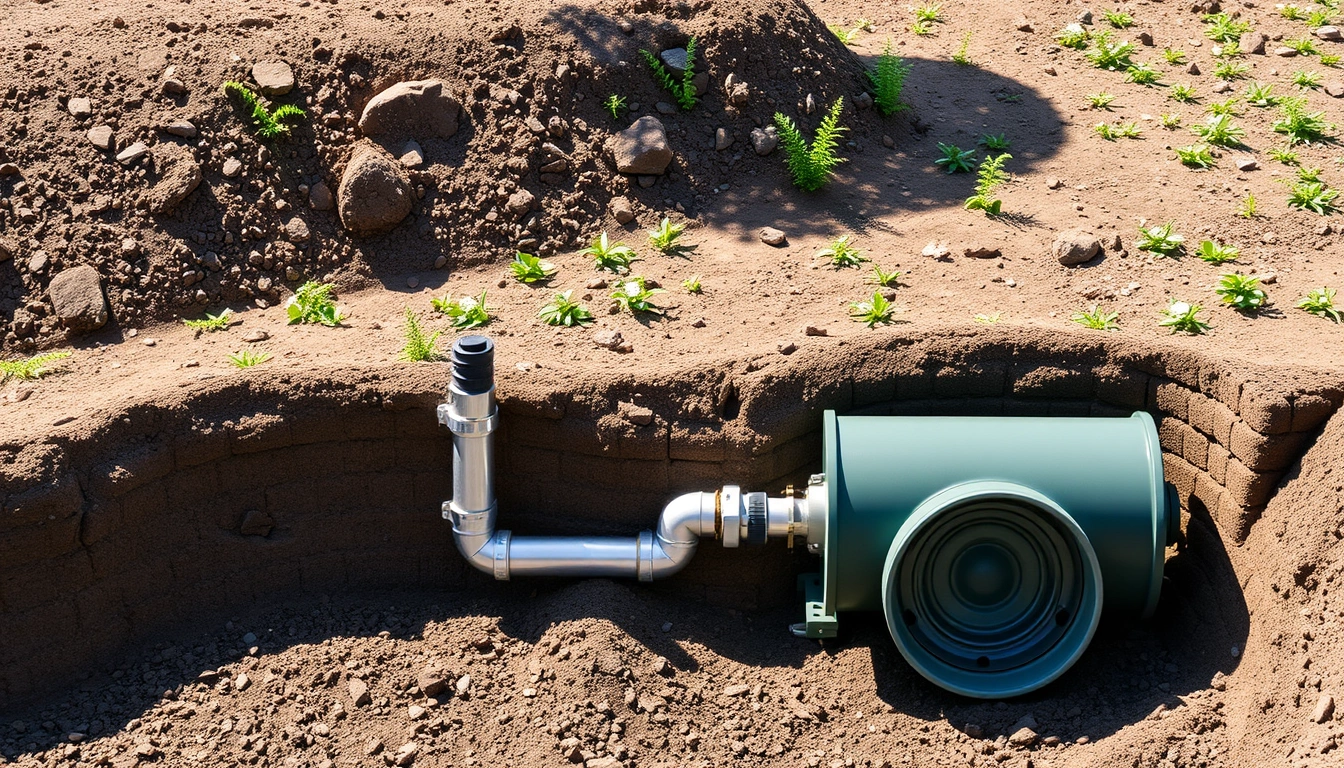
- Find and map every component. Mark the tank, riser, effluent filter, distribution box, pump chamber, and drainfield on a simple site sketch or in your phone. Verify you can reach the access lids without digging later. A hidden lid or missing riser is a problem because emergency pumping becomes slower and more expensive, often by a few hundred dollars once excavation is involved.
- Start with strict water control. For the first 30 to 90 days, spread laundry over several days, fix running toilets, and avoid marathon showers. A common design target is to keep household flow near 50 to 70 gallons per person per day, but your local system may be sized differently. Verify the tank is not receiving sudden surges from a soaking tub, back-to-back loads, or exterior drains. If you hear gurgling, see slow drains, or notice water backing up after heavy use, that is an early warning.
- Keep all roof, sump, and surface water away from the drainfield. Downspouts should discharge well away from the septic area, and groundwater should not be directed into the field. Verify the ground over the field stays firm, not spongy, after rain. Standing water, a lush stripe of grass, or erosion along the trench line indicates hydraulic overload or poor grading.
- Use only septic-safe household habits. Flush only human waste and toilet paper. In the kitchen, wipe pans into the trash before washing. Avoid “flushable” wipes, sanitary products, cigarette butts, paper towels, cat litter, and grease. Verify solids are not collecting in the tank inlet or clogging the effluent filter. If the filter blocks quickly, something upstream is going wrong, usually too much paper or grease.
- Check the effluent filter on schedule if you have one. Many new systems include a filter at the outlet tee to keep suspended solids from reaching the drainfield. Inspect it every 3 to 6 months during the first year, or sooner if the installer said your household is heavy use. Verify the flow path is clear after cleaning. A dirty filter does not mean it is bad; a recurring clog does mean the tank is receiving too much fine material.
- Watch for early signs at the tank and in the house. Once a month, look for odors, wet soil, backups, and unusually green patches over the field. Verify toilet flushes stay strong and sinks drain at normal speed. A bad smell near the tank lid, damp soil over lines, or slow drainage after moderate water use means the system deserves attention before a failure becomes visible.
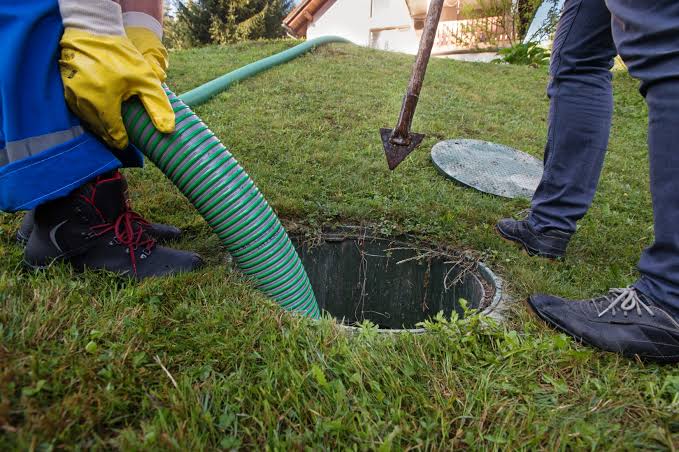
- Book the first pumping only when the solids level says so. New tanks are often checked after the first year, then pumped based on use and solids accumulation rather than a calendar alone. A typical residential tank is pumped every 3 to 5 years, but that is not a rule. Verify the sludge and scum layers have not reached the outlet baffle. If they have, pumping is overdue, even if the system is “new.”
- Keep records. Save the permit, as-built sketch, tank size, installer notes, pumping receipts, and any inspection dates in one place. Verify you can hand that file to the next service person in under 2 minutes. Missing records are not a minor inconvenience; they slow diagnosis and raise the odds of the wrong repair.
The big idea is simple: new systems usually fail from abuse, not age. Treating the first year like a free pass because the field “looks fine” is risky. Septic systems often look fine right up until the soil clogs, and then the bill gets ugly.
What should you watch for in the first year?
Watch the water signs, not just smells. Septic trouble usually starts small. Easy to ignore for 1 or 2 weeks. Hard to ignore by the end of a month.
The most useful checks are ordinary: drains that used to clear in seconds but now take longer, toilets that need a second flush, gurgling in the tub after the washing machine runs, or a damp patch that stays wet 24 hours after rain. None of those proves failure by itself, but each one tells you the system is being stressed.
If your system has a pump chamber, listen for alarms and check the float operation after the installer explains it. A pump alarm means the field may not be receiving effluent as designed. That is not a “wait and see” signal. A floating lid, breaker trip, or repeated alarm needs prompt service because pump systems depend on exact dosing.
For drainfields, pay attention to the ground, not just the house. The field should not smell strongly of sewage, and it should not have a section that is always greener than the rest unless your area has a wet climate and the whole yard is that color. A narrow green strip or muddy trench line usually means effluent is surfacing or moving too close to the surface.
I’d keep one realistic expectation in mind: some settling and minor compaction around the tank access area is normal after installation, especially in the first few months. What is not normal is a depressed area that collects water, a cracked riser, or soil washing over a lid. Those are access and drainage problems. They snowball if you leave them alone.
If your installer recommended an operation and maintenance contract for a pressurized or advanced treatment system, follow it and ask a licensed septic contractor to explain the service interval in writing. Those systems are less forgiving than a basic gravity-fed tank and field. A standard system can survive a missed reminder; a mechanical system often cannot.
How much does routine septic maintenance usually cost?
Routine maintenance usually costs less than a repair, but the price depends on access, tank size, and whether the system has a pump or filter. Pumping a residential septic tank commonly falls somewhere in the low hundreds of dollars, but I will not pretend that number is fixed because it changes by region and by how easy it is to reach the tank.
What pushes the price around most:
- Access: A tank with exposed risers is faster to service than one that must be located and uncovered.
- Pump-out volume: A larger tank or a tank with heavy solids takes longer.
- Filter cleaning: This is usually minor if it is part of a service call, but it adds time.
- Pump chambers and alarms: More parts mean more diagnostic time.
- Distance and site conditions: A steep, muddy, or remote lot can add labor.
A first-year inspection or pump-out is often quicker than a repair visit, usually well under a half day unless the lids are buried or the site is difficult. A simple cleanout may take about an hour; a full diagnosis on a complex system can take several hours. If the contractor needs to expose a lid, that adds time and usually adds cost.
What matters most, in my view, is not finding the cheapest call. It is getting a person who will inspect the whole system, not just empty the tank and leave. Cheap now can turn into expensive later. A bad pump-out with no filter check, no baffle check, and no note on sludge depth is cheap now and expensive later.
What mistakes do people make with a new septic system?
They overload it, poison it, or hide it from future service. Those mistakes are common, and each one has a clear consequence.
-
Using the tank like a trash bin. Wipes, grease, feminine products, and food solids increase sludge and clog the outlet. The result is a shorter interval between pumpings and a higher chance of drainfield loading. The correct alternative is trash for solids and a grease trap habit at the sink: scrape, wipe, then wash.
-
Dumping large water loads all at once. Four loads of laundry back-to-back or repeated long showers can flood a new field before it has stabilized. The result is surfacing effluent or sluggish drains. The better habit is to spread major water use across 24 hours.
-
Driving or stacking heavy materials over the drainfield. Cars, RVs, lumber piles, and patio work can crush pipes or compact soil. The result is poor percolation and possible pipe breakage. Keep traffic off the field and mark it clearly for anyone doing yard work.
-
Planting the wrong vegetation. Tree roots from willow, poplar, maple, and similar aggressive species can invade soil treatment areas. The result is clogged trenches and expensive excavation. Use shallow-rooted grass over the field and keep larger trees well away from the absorption area.
-
Ignoring a filter or alarm. A blocked effluent filter or a pump alarm is not background noise. The result is a backup into the house or a flooded chamber. The correct response is same-day checking or service.
-
Adding “septic treatment” chemicals without a reason. Additives are not a substitute for pumping or proper use. The result can be wasted money and, in some cases, disturbed settling in the tank. The better alternative is ordinary maintenance and professional service based on inspection.
The common thread is impatience. New systems do best when they are treated gently for the first season, then maintained on evidence instead of guesswork.
When should I stop troubleshooting and call for help?
Stop your own troubleshooting when the system shows signs of actual failure, not just inconvenience. A septic system is not a place to improvise once wastewater is leaving the designed path.
Backups into a tub, shower, or floor drain: This means the system is not accepting flow normally — stop water use and call for service the same day.
Standing sewage or wet spots over the drainfield for more than 24 hours in dry weather: This means effluent is reaching the surface — keep people and pets off the area and get the system inspected promptly.
Repeated pump alarms or tripped breakers on a pump system: This means the dosing cycle is failing — stop heavy water use and schedule diagnosis, because the field may be under- or over-fed.
Strong sewage odor at the tank, field, or indoors that does not clear after 1 day: This means venting, blockage, or surfacing effluent may be present — do not keep using water normally until it is checked.
You do not know where the tank, lids, or drainfield are: This means you cannot monitor the system properly — get the as-built plan or have the installer locate the components before doing anything else.
The system is a mound, drip irrigation, aerobic treatment unit, or pressure-dosed field: This means the equipment is more complex than a basic gravity system — follow the service schedule exactly and use the technician who knows that model.
I would also stop and call if the house has a new wet patch near the foundation or if stormwater seems to be running into the septic area. That is not a “septic issue” alone; it is a site drainage issue that can ruin even a well-built field. In areas with heavy rainfall or shallow soil, this matters more than it does on a dry, well-drained lot.
What counts as normal, and what counts as a bad install?
Normal means the system handles ordinary household use without odors, wet spots, alarms, or slow drains. It also means the tank access is reachable, the lid is secure, and the drainfield stays dry at the surface except during unusual weather. A new system may take a few weeks to settle visually, but it should not behave like a failing one.
A bad install usually shows up as access problems, poor grading, or poor component placement. If the risers are buried too deep, if surface water runs toward the field, or if the distribution box sits unevenly and doses one trench more than the others, those are installation defects, not homeowner mistakes. A new system that needs pumping far earlier than expected should be reviewed by the installer or a licensed septic contractor, because the cause may be sizing, use, or installation quality.
If you want to keep a new septic system healthy for the long term, the practical answer is simple: lower water stress, protect the drainfield, inspect on a schedule, and call for help before a small symptom becomes a repair. For homeowners asking how to maintain new septic system after installation, that approach is the one that most often keeps the system working through the first year and beyond.