When Is an Alternative Septic System Required?
Last updated: September 10, 2026
Key Takeaways
- A “conventional” system means a standard tank plus gravity-fed trenches or beds in suitable soil.
- The short rule is simple: you need an alternative septic system when the site cannot meet the local health code for a conventional one.
- This is not a case where guesswork helps.
- A perc test, soil evaluation, and site plan are the gatekeepers.
Quick Answer: Usually, an alternative septic system is required when a site cannot meet code for a conventional septic system, and that call is normally made after a soil evaluation, setback review, and local permit check. EPA guidance and state health departments generally treat site evaluation as the deciding step, not guesswork. Shallow soils, high groundwater, steep slopes, small lots, or nutrient-sensitive areas can all push a property toward an alternative setup. Building, adding a bedroom, replacing a failed system, or buying land with no sewer? That is the question that matters.
What this answer applies to
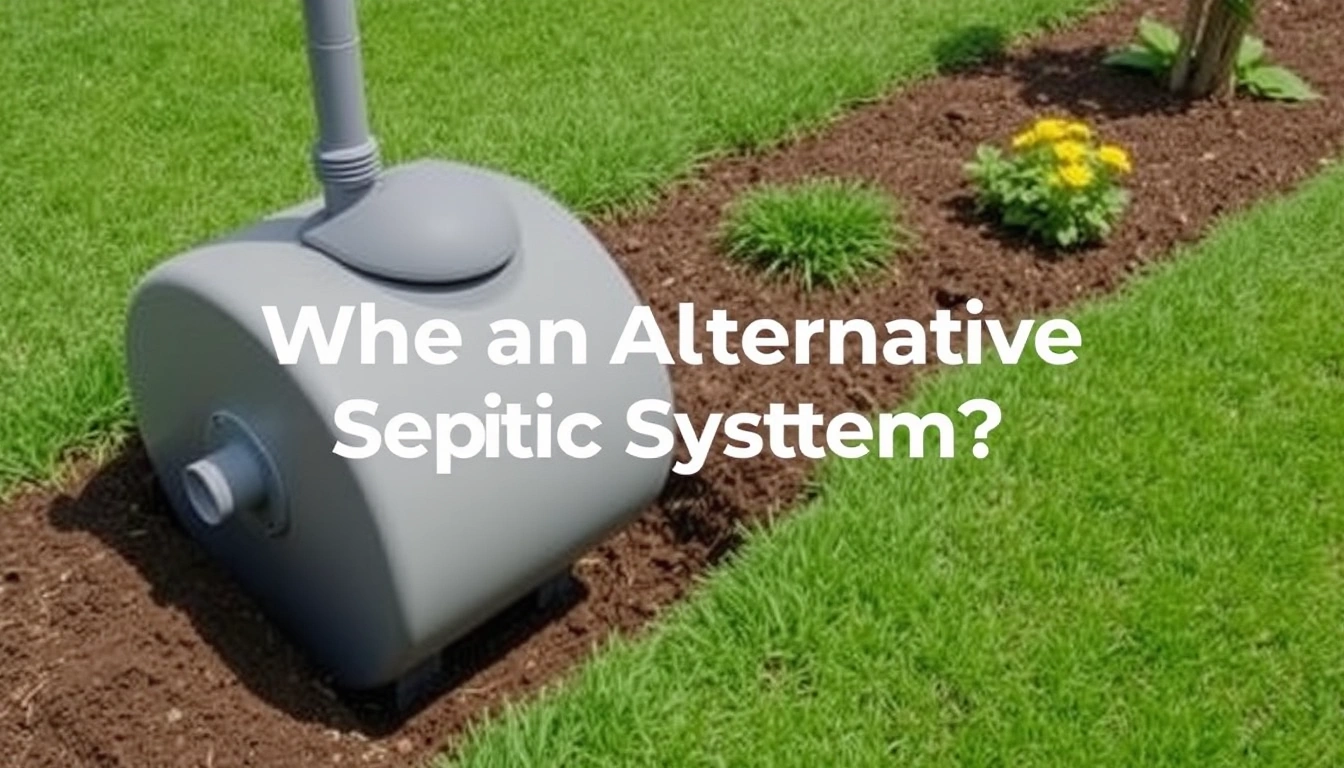
Homeowners, buyers, and builders dealing with an onsite wastewater system in a place where public sewer is not available are the people this covers. I am assuming you already know the basics, but please consult a local septic designer or health department if you need a site-specific explanation: a septic tank holds solids, and a drainfield or soil treatment area spreads the liquid effluent into the ground. For general technical definitions, see the U.S. EPA’s septic system overview and your state health code. A “conventional” system means a standard tank plus gravity-fed trenches or beds in suitable soil. An “alternative” system means any design that adds treatment, pumps, dosing, mounds, filters, aeration, or pressure distribution to make the site workable, though the exact definition varies by jurisdiction.
The short rule is simple: you need an alternative septic system when the site cannot meet the local health code for a conventional one. Usually, that means the soil does not absorb or clean effluent well enough, the seasonal high water table is too shallow, the lot is too small for the required separation distances, or the terrain makes gravity drainage unreliable. Some places also require an alternative design in sensitive watersheds, near lakes, in floodplains, or where nitrogen reduction rules apply. For example, the EPA notes that onsite systems can fail when they are placed where the soil or water table is not suitable, and state rules often add local setbacks and reserve-area requirements.
No guesswork here. A perc test, soil evaluation, and site plan are the gatekeepers. A “perc test” is a soil percolation test: water is added to a hole to see how fast the soil drains. Many jurisdictions now rely more on a soil profile by a licensed designer or soil scientist than on perc rate alone. If you are buying land, ask before closing, not after you have already drawn house plans around a 3-bedroom system that cannot be permitted. In some counties, a failed test can save thousands of dollars by stopping a bad purchase before land closes.
I would not try to self-diagnose a failing septic area from smell alone, and you should consult a licensed septic professional or health department if you notice odors or wet spots. Odor can come from a vent, a plumbing trap, or a saturated drainfield, and the fix depends on which one is actually failing. A local health department, licensed septic designer, or installer can tell you what the code requires on that parcel. The EPA and state agencies both advise using a qualified evaluator rather than relying on a single symptom.
When a conventional system is not allowed
A conventional septic system is not allowed when the site cannot meet the minimum conditions in the local code, and that usually shows up in soil, water, or space. The exact trigger varies by county and state, but the pattern is consistent.
One common reason is a shallow restrictive layer. If bedrock, hardpan, or dense clay sits too close to the surface, effluent cannot filter through enough unsaturated soil before reaching groundwater or moving laterally. In many codes, the limiting factor is the depth of suitable soil above a limiting layer, not just the top few inches that look good during a walk-through. State regulations commonly specify minimum vertical separation in inches or feet, so a site that looks “fine” to the eye may still fail on paper. Looks can fool you. Fast.
Another issue is a high seasonal water table. If groundwater rises into the treatment zone during wet months, the drainfield loses oxygen and treatment breaks down, and a local professional should confirm whether the site can still meet the required separation. That can force a mound system, aerobic treatment unit, or pressure-dosed field so the wastewater can be placed above the wet zone. In many states, the required separation is measured in inches, not general impressions, so a spring test pit matters.
Small lots trip people up too. Septic design depends on setbacks from wells, property lines, streams, foundations, and slopes. A parcel can have “enough land” on paper and still fail because the required reserve area for a replacement field does not fit. Many counties require a primary area and a repair area; if there is no legal place for both, the permit can be denied. On a tight lot, even a few extra feet of setback can change the outcome. That math stops working fast.
Steep slopes change the equation. Gravity systems on steep ground risk breakout, uneven loading, and trench failure, so engineers often switch to pumps, low-pressure distribution, or terraced designs. That is why a site with a 15% to 25% slope may need a different layout than a flatter parcel. The key is not the slope alone, but how the slope interacts with soil depth and access for distribution.
Sensitive areas matter as well. Near shorelines, reservoirs, shellfish beds, or nitrate-prone aquifers, a standard system may be rejected because it does not remove enough nutrients. In those places, alternative treatment units are not optional extras; they are the code-compliant answer. For instance, nutrient-reduction rules in some watershed programs require extra treatment before effluent reaches the soil. Plain and simple.
If you want the most authoritative source, start with your state environmental or health agency and your local permitting office. In the U.S., state rules often sit on top of local standards, and the local office decides what is acceptable for that parcel. For broader technical guidance, the U.S. EPA’s onsite wastewater pages and the National Environmental Services Center are useful references. The EPA’s decentralized wastewater guidance and local health codes are the best starting points for permit questions.
How do I know if my lot needs an alternative septic system?
You know when the site evaluation says the conventional design will not pass, and the evaluation is what matters, not the realtor’s description or the seller’s old permit. A septic site can fail for one reason or for a combination of smaller ones. The process usually goes like this.
-
Get the parcel checked against local setbacks first. Measure the distance from the proposed house footprint to wells, streams, property lines, roads, and any existing drainage features. Verify that there is room for both the primary drainfield and the replacement area. If the lot cannot hold the required separation distances, that is an early sign the design will need something other than a standard gravity field. Many jurisdictions require setbacks measured in feet, so a small drafting error can matter.
-
Order a soil and site evaluation. A qualified soil evaluator or septic designer will look at soil texture, structure, color mottling, depth to bedrock, and depth to seasonal saturation. Verify the depth to any limiting layer in inches or feet, because that number drives the design. If the report shows shallow restrictive soil or mottling above the required depth, conventional trenches are usually out. The U.S. Department of Agriculture’s soil descriptions and local state guidance can help interpret the report. Mud in the wrong place? Problem.
-
Check groundwater conditions at the right time of year. A site that looks dry in August may be wet in March. Verify the seasonal high water table from test pits, auger borings, or local soil maps, then compare it with code-required vertical separation. If the seasonal water table is too high, the system will likely need mounding, pressure dosing, or a treated effluent approach. A spring test is often more revealing than a midsummer visit.
-
Match the expected wastewater load to the site. Bedrooms, fixture count, home size, guest use, and any extra flows from a laundry or accessory unit change the design load. Verify the design flow in gallons per day used by the permit office. If the load is too large for the soil area available, an alternative system may be the only path that fits. A 3-bedroom home and a 5-bedroom home can trigger very different permit calculations.
-
Ask whether the site is in a regulated zone. Shorelands, floodplains, wetlands, nutrient-sensitive watersheds, and drinking-water protection areas can trigger stricter treatment. Verify whether the jurisdiction requires nitrogen reduction or additional disinfection. If yes, a standard tank and field often will not qualify. Some programs also require documented setbacks from surface water in feet.
-
Review the failure history if an old system is on the parcel. If there are wet spots, sewage surfacing, backups, or a history of field replacement, the existing layout may be unsuitable for reuse. Verify whether the prior system was grandfathered under older rules. If it failed or cannot be documented, the new permit may require an upgraded design. Old records can help, but only if they are complete and current.
-
Have the final design drawn before you price the build. The exact tank size, pump chamber, dosing schedule, trench length, and reserve area should come from the approved design, not assumptions. Verify that the plan is stamped or signed as required locally. If the design is still vague, stop there; vague septic plans become expensive mistakes. A clear design can also prevent change orders later.
The key point is that “alternative” is not a brand of equipment. It is the response to a site that standard soil treatment cannot support. A property either meets conventional criteria or it does not, and the permit record should show why. That is why a site-specific evaluation matters more than a generic rule of thumb.
What kind of alternative septic system gets used?
The system required depends on what failed on the site, and there is no single fix for every problem. I would think in terms of function first: how do you move, store, and treat effluent so the soil can finish the job? Once the limiting factor is known, the choice becomes much narrower.
An aerobic treatment unit (ATU) adds oxygen to speed biological treatment. It is often used where higher treatment quality is needed or where the soil is marginal. The drawback is that it needs power, maintenance, and periodic service; it is a poor choice for someone who wants a set-it-and-forget-it system. Some systems need annual service contracts and alarm checks.
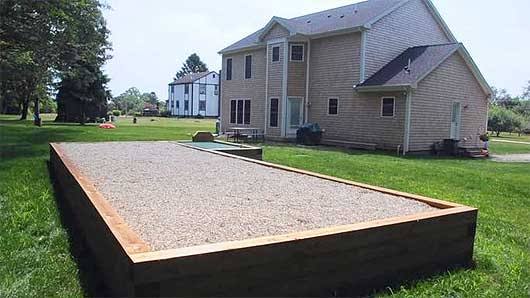
A mound system raises the drainfield in imported sand above native soil. It is common where the water table is high or the soil is shallow. The drawback is visual impact and larger footprint, so it is not a good fit for a tiny lot or a homeowner who wants the yard to look untouched. In practice, mounds can add several feet of elevation and require room for side slopes.
A pressure distribution system uses small, evenly spaced doses instead of gravity flow. It helps spread effluent more uniformly across the field. The drawback is added mechanical parts, so it is not ideal where service access is difficult. On the plus side, it can improve dosing control on uneven sites.
A drip dispersal system uses narrow tubing to dose effluent slowly across a large area. It can work on awkward sites, but the tubing, filters, and controls raise complexity. I would avoid it for a property owner who does not want routine inspection. The larger the system, the more important it is to have accessible filters and controls.
A sand filter or other pretreatment unit can improve effluent quality before soil disposal. These systems are useful in sensitive areas, but they add pumps, filters, and a maintenance schedule that can run several service visits a year depending on the design and local rule. Some jurisdictions require periodic sampling, especially near sensitive water bodies.
The right answer usually comes from a local designer who knows the code path for that county. A system that is standard in one township can be rejected in the next because the limiting factor is different. That is why two similar-looking lots can end up with very different septic designs.
What to check before you commit
An alternative septic system should only be chosen after four things are clear: the soil report, the required permit path, the reserve area, and the maintenance burden. If any one of those is fuzzy, the project is still at risk. Before you sign a contract or start grading, make those points concrete.
First, ask for the soil evaluation in writing. Look for depth to limiting layer, estimated infiltration or loading rate, and any note about restrictive horizons. A design based only on a verbal “it should be fine” is weak. If the report includes measurements in inches or feet, keep those numbers handy for the permit review.
Second, confirm whether the health department requires engineered drawings. Some sites need only a standard permit application, but many alternative systems need stamped plans, pump curves, or electrical details. If the permit office expects an engineer’s design and you submit a hand sketch, the application will stall. A licensed engineer can also clarify whether the alternative septic system must include pretreatment or alarms.
Third, check whether the site has room for repairs. A code-compliant system usually needs a primary area and a replacement area. If the alternative design uses a mound or drip field, the reserve space can be even more important because replacement parts are rarely identical to the original. In some counties, the reserve area must stay undisturbed for future use.
Fourth, ask who will maintain it. A system with alarms, filters, or pumps is not “bad”; it is simply more dependent on inspection. If the property will be rented out or left vacant for long stretches, the design should match that reality. A service contract may cost a few hundred dollars a year, but it can prevent a much larger failure.
The good result is not “the fanciest system.” It is the simplest system that meets the site’s limits and the permit office’s rules. Anything more complex than the site requires is cost and risk you do not need. A well-matched alternative septic system can be cheaper over time than repeated repairs to a poor conventional layout.
The mistakes people make before the permit is denied
The most common mistake is assuming the old system can be reused because it used to work. That can cost you the whole permit if the old field is undersized, undocumented, or placed under rules that no longer apply. The correct move is to verify the as-built record and have the site re-evaluated. A system installed 20 years ago may no longer meet current setbacks.
Another mistake is building the house first and leaving septic for later. That can trap the drainfield in the only open corner left on the lot. The consequence is often a forced redesign, a pump system where gravity would have worked, or a permit denial. The better alternative is to place the house, well, driveway, and reserve field on the plot plan together. A few feet of early planning can save weeks of redesign.
A third mistake is treating a perc rate as the whole answer. Perc alone does not tell you how much usable soil is available, how high groundwater rises, or whether bedrock is too shallow. The correct alternative is a full site evaluation. A boring or pit log gives the permit office more to work with than one drainage number.
A fourth mistake is underestimating maintenance. An ATU, pump tank, or pressure field can be the right technical choice and still fail if nobody services alarms, filters, and pumps. The consequence is nuisance alarms or sewage backing up. The fix is to choose a design with a maintenance plan you can actually keep. In some cases, that means scheduling service once or twice a year.
A fifth mistake is ignoring local nutrient rules. A site near a lake may need nitrogen reduction or a larger setback than a standard system can provide. The correct alternative is to design for the watershed rules from the start, not after the permit is rejected. That matters most in shoreline areas and drinking-water protection zones.
When should I stop and get a different design?
You should stop and change course when the site stops meeting code or when the maintenance burden no longer fits the property. That is not a sign of failure; it is the point where the wrong tool becomes expensive. At that stage, a different alternative septic system is usually cheaper than forcing a bad fit.
Shallow bedrock within the required separation depth: The soil cannot provide enough treatment below the drainfield — Switch to a mound, shallow pressure field, or other approved alternative if the local code allows it.
Seasonal high water table above the acceptable depth: Effluent would sit in saturated soil — Use a raised or pressurized system, or redesign the lot if the permit office requires more separation.
No room for primary and reserve fields: The parcel is too small for a conventional layout — Ask the designer whether a compact alternative system is allowed; if not, the lot may be unbuildable for onsite wastewater.
Floodplain or frequent inundation: Floodwater can damage the system and spread contamination — Relocate the drainfield area or choose a code-approved elevated design; do not place a standard field where it can flood.
Watershed rules require extra treatment: A standard tank and trench will not meet nutrient limits — Use pretreatment, denitrification, or another approved higher-level system.
Repeated failure signs on an existing system: Surfacing effluent, lush wet grass over the field, or backups suggest the old design is beyond repair — Stop patching it and request a new site evaluation.
For a problem property, the wrong move is to keep hoping for a conventional permit after the data say otherwise. That only burns time and application fees. Once the numbers show the site cannot support a standard system, the alternative septic system decision becomes straightforward.
FAQ
Can I tell from the soil alone whether I need an alternative septic system?
Not reliably. Soil texture matters, but depth to bedrock, seasonal water, slope, and lot layout also matter. A sandy site can still need an alternative system if groundwater is too shallow or setbacks do not fit.
Is an alternative septic system the same as a bad septic system?
No. It usually means the site is difficult, not that the system is poor