Signs of a Septic System Problem After a New Installation
Last updated: September 10, 2026
Key Takeaways
- The warning signs of a septic system problem after a new installation tend to cluster in the first 30 to 180 days.
- Confirm household water habits for the last 48 hours.
- The earliest signs are usually small changes in how the house drains, then surface clues outside.
- The signs are useful because each one points to a different failure mode.
A septic system problem after a new installation usually turns up as slow drains, sewage odors, wet ground over the drain field, gurgling pipes, or a septic tank alarm that should not be there so soon. See one of those signs in the first days, weeks, or months after a new install? Then the job is not “wait and hope”; check for a setup, grade, or drainage issue while the installer can still be held to the original work. Simple as that.
Who this applies to, and what I am assuming you already know
This applies to a homeowner or property manager with a new septic system—tank, distribution box, and drain field, also called a leach field—that has started acting wrong within the first year. I am assuming you know where the tank lid, inspection ports, and alarm panel are, or can find them in the installer’s handoff paperwork. I am also assuming the system is not yet full of years of sludge; if it is brand new, the usual culprits are installation mistakes, damaged parts, or site conditions the design did not handle well.
A new system should not need frequent pumping, should not smell like raw sewage at the surface, and should not send wastewater back into the house after normal use. That is the baseline. A mild odor near a vent stack for a day after heavy rain is one thing. Gray water in the yard, toilets backing up, or an alarm sounding in the first month is another. Those are not “normal settling” for a properly installed system.
I am also drawing a line on who should stop and call the installer, county sanitarian, or a licensed septic contractor right away. If sewage is surfacing, if a tank lid is cracked or uncovered, if the alarm is on, or if wastewater is backing into the house, do not keep running showers and laundry to “see if it clears.” On a new installation, that can turn a small defect into a saturated drain field or a contaminated crawlspace. A homeowner can observe, document, and reduce water use. Diagnosing grade, hydraulic loading, and component failure belongs to the people who can open the tank safely and check the system against the permit drawing.
What are the earliest signs of trouble after a new septic install?
The first clues are usually inside the house; the outside signs tend to follow. A brand-new system often fails quietly at first because the tank and drain field are being asked to handle the first real household load, not just the installer’s test water. According to the U.S. EPA, warning signs commonly include slow drains, sewage odors, gurgling plumbing, and wet areas near the system. They tend to cluster in the first 30 to 180 days.
Watch for these specific changes:
- Toilets that need a second flush more often than they did in the first few days.
- Slow sinks or tubs in more than one bathroom, especially on the lowest floor.
- Gurgling from drains when another fixture is used.
- A sewage smell near the tank, cleanout, or drain field after a normal day of water use.
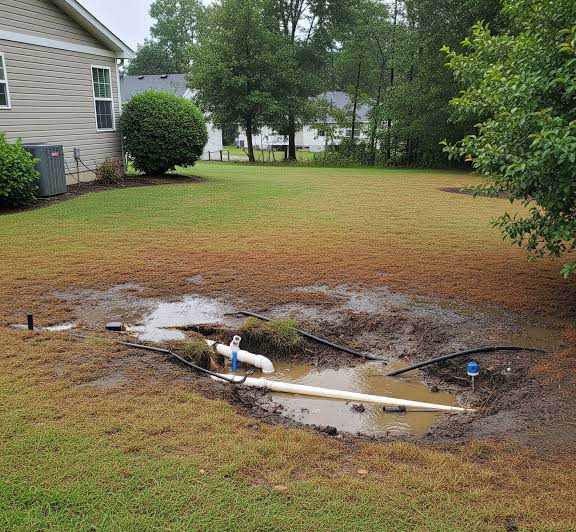
- Wet, spongy, or unusually green strips of grass over the field, especially if the rest of the yard is dry.
- An alarm light, buzzer, or float alarm on a pump system.
- Wastewater backing into showers, floor drains, or basement fixtures.
A single slow sink may just be a clog in the house plumbing. A pattern across several fixtures points harder toward the septic side. If only one toilet is weak and the rest of the house drains normally, I would check that toilet and branch line before blaming the system. If every bathroom on the same side of the house starts acting up within a week or two of moving in, the problem is more likely downstream. Weird little clue, but it matters.
The biggest thing people miss is timing. A new septic system that starts smelling after the first heavy rain is telling you something different from one that smells every dry afternoon. Rain can flood shallow soil, push groundwater up, or expose that the drain field was installed too low. If symptoms show up only when the lawn is soaked, the site may have a groundwater or grading issue rather than a bad tank.
How do I tell a septic problem from a plumbing clog?
A septic problem usually affects more than one fixture and may show surface clues outside; a plumbing clog usually stays local to one branch or one fixture. That is the simplest split, and it saves a lot of guesswork.
Start with the inside symptoms. If one sink is slow, the trap or branch line may be blocked. If multiple drains slow at the same time, especially downstairs fixtures, the septic side moves higher on the list. Listen for gurgling when a toilet flushes. Gurgling means air is struggling to move through the drainage path, often because wastewater is meeting resistance farther down the line.
Then check the outside signs. Walk the line from the house to the tank and from the tank to the field. You are looking for:
– soft soil or standing water where there should be firm ground,
– odors at the tank lids, inspection pipes, or vent pipes,
– soil that is greener in a strip or patch, not just across the whole yard,
– cover soil that has settled more than roughly 1 to 2 inches compared with surrounding grade,
– any mound, trench, or field area that looks disturbed, sunk, or washed out.
A plumbing clog does not usually make the field wet. A septic failure often does. If you can run a toilet once and hear one gurgle, that is not enough. If you flush, then the shower drain burps, then the washing machine slows the kitchen sink, that pattern says the system is not carrying flow the way it should. That math stops working fast.
This is also where the distinction between effluent—treated wastewater leaving the tank—and raw sewage matters. A septic tank that is working normally sends effluent to the field. If you are seeing solids or black, foul liquid at the surface, the system is not just “a little slow”; it may be bypassing treatment or backing up, and you should consult a licensed septic professional for diagnosis. The Minnesota Pollution Control Agency notes that surfacing sewage or wastewater requires prompt professional attention.
What should I check first, in order?
Check the easiest clues first: inside fixtures, alarm panel, tank area, then the drain field. The order matters because it helps separate a house plumbing issue from a septic installation issue before anyone starts digging.
- Check all fixtures under normal use. Run one toilet, one sink, and one shower at a time, not all at once, and watch whether the drain slows within 30 to 60 seconds. Verify that only one fixture is affected if the issue is local. A problem if multiple fixtures slow together or if a toilet gurgles when a sink drains. If the pattern is broader than one fixture, consult a licensed septic contractor or plumber.
- Look at the alarm panel, if the system has one. Note whether the light is steady, flashing, or sounding. Verify the panel has power and the float alarm is active. A problem if the alarm is on after a normal day of household use or after a rain event, and the EPA advises calling a professional when a septic alarm activates.
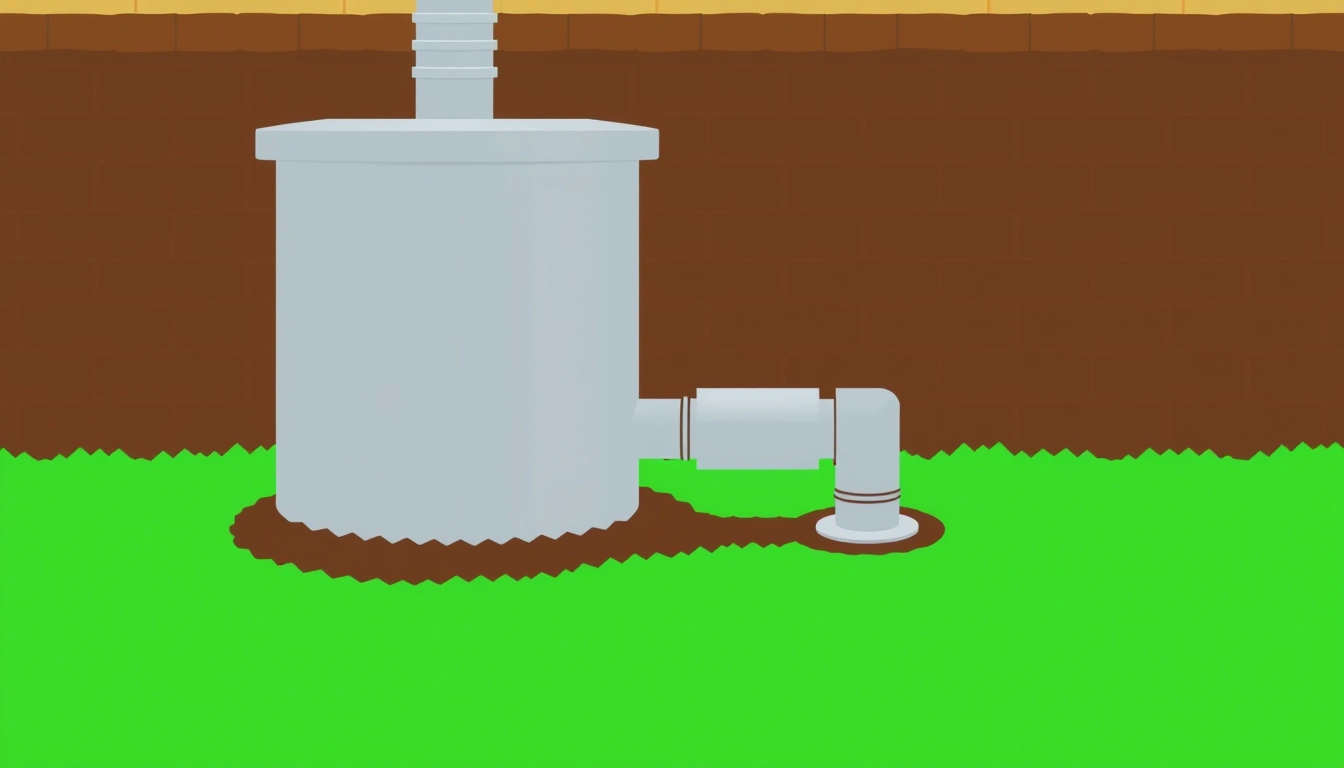
- Inspect the area around tank lids and risers. Look for standing water, broken lid covers, soil settling, or odors within a few feet of the tank. Verify the access covers are secure and the grade slopes away from the tank, and consult a professional if you are unsure whether the lid or slope is safe. A problem if water collects there or the lids have shifted.
- Walk the drain field in dry weather. Check for spongey ground, lush stripes, or a surface smell. Verify the field is not receiving roof runoff, downspout discharge, or irrigation overspray. A problem if the field is wet while the rest of the yard is dry.
- Walk the same area after rain, but do not open lids in unsafe conditions. Compare the soil to nearby ground and see whether saturation appears only in the field. Verify that the wet area matches the absorption area, not a low spot from poor grading. A problem if water ponds over trenches or mounds.
- Confirm household water habits for the last 48 hours. Note laundry loads, long showers, guests, or a sump pump discharge. Verify whether the symptoms match heavy water use. A problem if the system fails on a normal day, because that points away from overuse.
- Check the contractor’s paperwork against the site. Find the as-built drawing, tank size, field layout, and any pump specification. Verify the installed parts match the permit. A problem if the field is not where the drawing shows it or the tank access is buried too deep to service.
- Photograph everything before anyone digs or pumps. Take wide shots and close-ups with a date stamp if possible. Verify the condition is documented before repairs begin. A problem if the installer later disputes whether the yard was wet or the lid was damaged.
If the system is new and you cannot find the documentation, that missing paperwork is itself a warning sign. A proper handoff should include the tank location, field location, component list, and service contact. Without that, even a simple follow-up call takes longer.
Signs of a septic system problem after new installation: what they usually mean
The signs of a septic system problem after a new installation are useful because each one points to a different failure mode. A new system with odors, for example, may have a venting problem, a loose lid, or a line that is not retaining wastewater long enough. A system with wet ground may have a broken pipe, a failed distribution box, or a field that is too shallow for the site conditions.
Here is the practical read on common signs:
- Odor near the tank only: often a loose lid, missing gasket, or open access riser.
- Odor over the field: often surface breakout, shallow trenching, or saturated soil.
- Slow drains in more than one fixture: often blockage downstream of the house plumbing or a tank/field flow issue.
- Gurgling pipes: often air displacement caused by restricted flow, partial blockage, or poor venting.
- Alarm on a pump system: often high water in the tank, failed pump, stuck float, or electrical issue.
- Wet lawn above the field: often leaking distribution, clogged trenches, or soil that cannot absorb at the designed rate.
- Toilet or shower backup: often an urgent downstream blockage or field failure.
A generic article would stop there. That is not enough. On a new installation, the useful question is not just “what is broken?” but “is the break likely the installer’s fault, a site condition, or a usage issue?” That matters because the fix and the warranty conversation are different. For example, if the field sits in a low area that holds water after rain, the soil may never have been right for that layout. If the pump alarm trips only when the irrigation system runs, the septic system may be fine and the house is loading it with extra water from elsewhere. The EPA also says to compare what you see with the site conditions before assuming the tank itself is failing.
One more term worth knowing is distribution box. That is the chamber that splits flow from the tank into the field lines. If it settles out of level by even a small amount, one trench can get too much wastewater while another stays dry. That kind of problem can show up very early after a new install and can be invisible until the soil starts failing unevenly.
When should I stop troubleshooting and call for service?
You should stop DIY troubleshooting as soon as the system shows backup, surfacing wastewater, an active alarm, or anything that suggests the field is saturated. Those are not “keep an eye on it” problems on a new install.
Wastewater is backing into a tub, shower, floor drain, or basement fixture: this means the system is not accepting flow fast enough — stop water use and call the installer or a licensed septic contractor the same day.
An alarm panel is sounding or flashing after normal household use: this means the pump chamber may be too full or the pump is not moving effluent — reduce water use and get service within 24 hours.
Sewage is surfacing in the yard or over the drain field: this means the soil is not absorbing effluent or the distribution is failing — keep people and pets away and arrange urgent service.
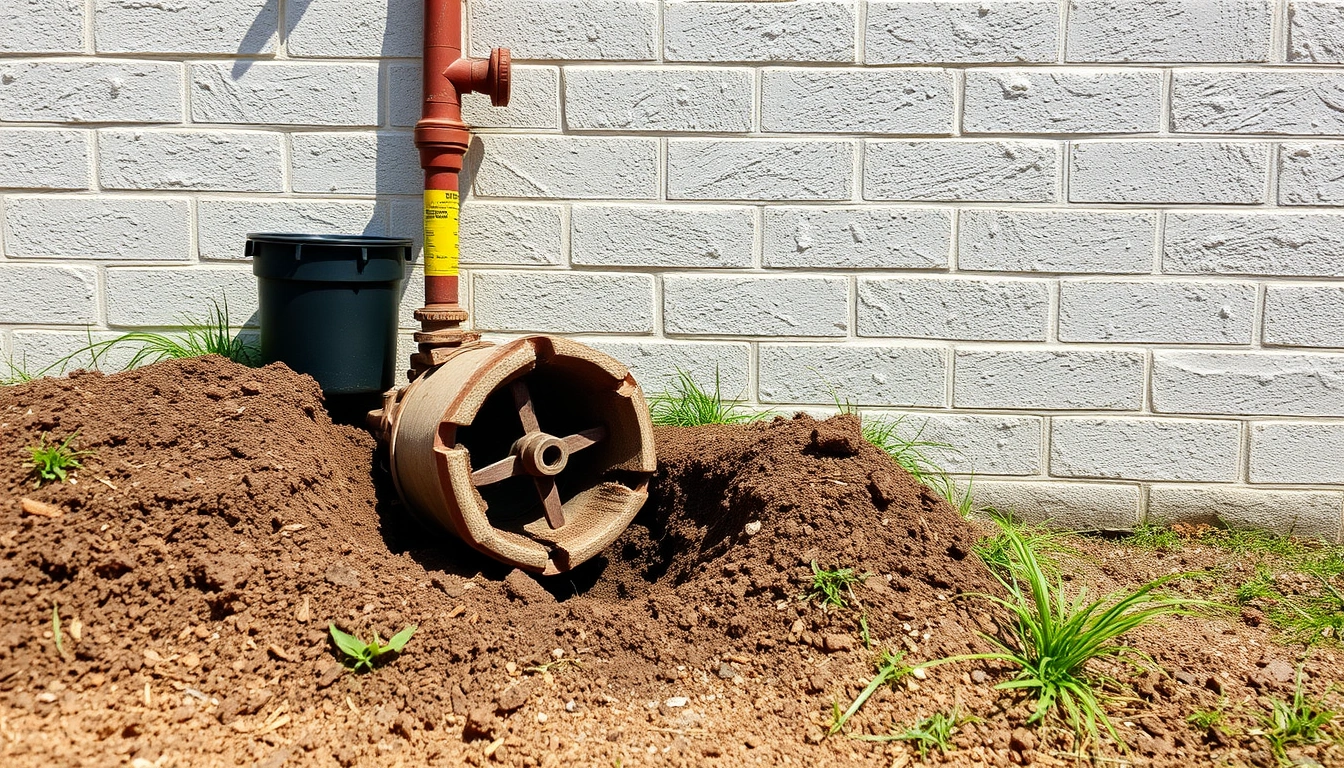
The tank lid is cracked, missing, or sinking: this is a safety hazard and may also let water or debris into the system — do not open it and schedule immediate repair.
The problem started right after installation and has not improved in 1 to 2 weeks: this suggests a setup or site issue, not a temporary break-in period — contact the installer while the job is still fresh.
The field is wet only after rain or snowmelt: this points to groundwater, grading, or surface runoff entering the area — the system may need site correction, not just pumping.
I would also stop pushing laundry or long showers if the house is already slow. That does not fix the cause; it just loads the tank harder. On a new install, the right move is usually to protect the field, document the symptoms, and let the responsible party inspect the work against the permit.
Common mistakes people make after a new install
The biggest mistake is waiting for the system to “settle in.” A new septic system does not need a settling period for sewage to appear in the yard. If the field is failing, delay makes the repair harder and can foul more soil.
-
Treating every slow drain as a plumbing clog.
Consequence: the real septic issue keeps worsening while you snake the wrong line.
Correct alternative: check whether multiple fixtures are affected and look for outside signs, and consult a septic professional if the pattern is spreading. -
Running extra water to “flush it through.”
Consequence: you overload the tank and saturate the field.
Correct alternative: cut back on water use until the system is inspected. -
Ignoring a small odor because the yard looks fine.
Consequence: a loose lid, bad venting, or a shallow trench gets missed until sewage surfaces.
Correct alternative: inspect the tank area and field the same day the smell starts. -
Covering over low spots with topsoil.
Consequence: you hide a settling issue and make future service harder.
Correct alternative: photograph the spot and ask for a site inspection before adding soil. -
Assuming the first month is a normal break-in period.
Consequence: a construction defect or grading issue can damage the field before warranty work starts.
Correct alternative: document the timing and call the installer promptly if the signs of a septic system problem after a new installation appear. -
Taking only one photo after the fact.
Consequence: there is little proof of wet ground, alarms, or surface breakout.
Correct alternative: take several dated photos from the house to the field, and keep copies of permit and service records.