How to Choose a Septic Installer for a New Build
Last updated: September 10, 2026
Key Takeaways
- How do you protect the reserve area and access lids?
- How do I know if the quote is fair?
- If the site is simple, the installer may work from a conventional septic design.
- That is where experience matters most.
Quick answer: For how choose septic installer new build, pick the installer who can match the permit, soil, layout, and inspection sequence for your lot, and expect a fair new-build septic install in the Seattle area to start around $10,000–$20,000 on a straightforward site. For how choose septic installer new build, the right contractor is the one who can explain the system type, county process, and reserve area before excavation starts.
For how choose septic installer new build, choose the installer who can handle the permit, soil, layout, and inspection process for your lot—not just the digging. For a new build, the right septic installer is the one who can read the site conditions, work with the designer or engineer, and keep you out of trouble with the local health department, because a bad tank location or failed perc alternative can cost far more than the original quote.
What a septic installer should do on a new build
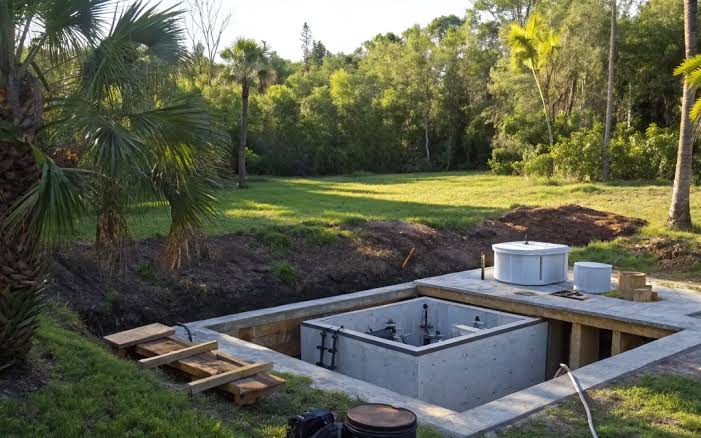
A good septic installer should handle excavation, tank and drain field installation, grading, piping, and the inspections tied to your permit, not just drop a tank in the ground. On a new build in places like King County, Snohomish County, Pierce County, and the more rural parts of Kitsap or Thurston County, the job usually starts long before the backhoe arrives because the lot itself determines what system is allowed. For local process details, see your county health department and the state overview from the Washington State Department of Health.
Simple sites can be handled with a conventional septic design. But once soil drains poorly, groundwater sits high, or slopes get steep, the job can shift into a pressure distribution system, mound, sand filter, or another engineered setup. That’s the fork in the road. A crew that only installs standard gravity systems can be a bad fit for rural lots near Enumclaw, Monroe, Yelm, or Gig Harbor where soils and drainage can change from one parcel to the next. For design terminology and system types, the EPA’s septic system basics are a useful reference.
I would want an installer who asks for the approved design before quoting, not after. And if they cannot explain where the reserve drain field goes, how access will be preserved for pumping, or how the tank lids will be left accessible after final grading, I would keep looking.
What does a septic installer cost for a new build in the Seattle area?
A septic installer for a new build in the Seattle area often quotes the job in the low five figures for a straightforward conventional system, and much higher for engineered systems, difficult soils, long trench runs, or major grading. I would treat any quote that sounds unusually low as a warning until it is matched to the permit drawings, soil conditions, and scope; if it still seems unclear, consult a qualified septic professional or the local health department before signing.
Here is a practical local cost table for the greater Seattle area and nearby counties:
| New-build septic scope | Typical local range |
|---|---|
| Basic installation on a straightforward lot | about $10,000–$20,000 |
| Larger conventional system or longer excavation runs | about $18,000–$30,000 |
| Engineered system, mound, pressure distribution, or poor soils | about $25,000–$50,000+ |
| Perc testing, design coordination, and permit-related site work | often separate, roughly $1,000–$6,000+ depending on complexity |
| Pump chamber, alarm, or extra site grading | can add $1,500–$8,000+ |
Those numbers move quickly in King, Snohomish, Pierce, and Kitsap counties because access, bedrock, groundwater, and hauling distance can change the job. A narrow lot in Shoreline or Bellevue is a different pricing world from a larger rural parcel in Enumclaw or Arlington. If the installer has to bring in extra fill, remove unsuitable soil, or manage rock excavation, the price climbs.
The quote should spell out what is included: tank setting, trenching, pipe, distribution box, backfill, risers, pumping chamber, electrical tie-ins, and final grading. It should also say what is not included. Missing “permit fees,” “engineer revisions,” or “rock removal” often means those items will show up later as change orders. Ugly surprise. Costs love hiding in the gaps.
How does the Pacific Northwest change the job?

The Pacific Northwest changes the job because wet winters, high groundwater, and variable glacial soils can make a “normal” install into an engineered one. In western Washington, a lot can be fine in August and a mess by November, especially in low areas near wetlands, creeks, or compacted fill.
That matters in places like Federal Way, Renton, Kent, Puyallup, and parts of the Sammamish Plateau, where soil drainage and seasonal saturation can shape both design and install timing. The installer needs to understand setbacks, groundwater limits, and the local health department’s approval process. In Washington, onsite sewage systems are regulated through local health jurisdictions under state rules, so county requirements are not just paperwork; they affect the field layout and the kind of system allowed. The Washington State Department of Health explains the statewide framework, while counties apply the local rules.
I would ask whether the installer has worked with the local permitting office before, not because I want a friendship story, but because county staff care about details like separation to groundwater, reserve areas, and inspection sign-off. For a new build, this is not the place for guesswork.
Seasonal timing matters too. Summer and early fall are usually easier for excavation because the ground is drier and access is better. Late fall and winter can slow everything down if the site is muddy or the water table rises. If your build schedule is tight and your lot is wet, I would expect delays of several weeks rather than days.
How to vet a septic installer before you sign
The best way to vet a septic installer is to ask for proof that they can install the exact system your permit calls for, then compare that to the site conditions and the written quote. A polished sales pitch does not matter if the crew cannot handle the design, inspection, and final grading sequence.
I would ask these questions before I book anyone:
-
Have you installed systems like this in this county?
You want a yes tied to the actual system type: gravity, pressure distribution, mound, sand filter, aerobic unit, or another approved design. “We do everything” is not enough. -
Will you install from the approved plan, or help correct it if the site changes?
A new build often changes during excavation. If ledge, groundwater, or fill appears, the installer should know who revises the plan and how that affects the permit. -
What exactly is included in the price?
Get tank setting, excavation, pipe, distribution components, electrical work, backfill, compaction, and final grade in writing. -
Who handles the inspections?
On a new build, there are usually multiple checkpoints. If the installer does not coordinate inspection timing, the project can sit idle for days. -
How do you protect the reserve area and access lids?
Sounds small, right? It is not. If the reserve field gets buried under driveway work or the tank lids end up inaccessible, the site becomes a maintenance problem immediately. -
What happens if the soil conditions differ from the design?
You want a clear answer about change orders, per-hour equipment charges, and whether they have a soils or engineering contact.
A good installer will also talk about setbacks from wells, property lines, drainage ditches, and streams. If they seem casual about those, that is a bad sign in Washington, where wet ground and tight parcels are common.
Red flags: quotes and job sites that should worry you
A septic installer should worry you if the quote is vague, the site walk is rushed, or the crew talks as if the permit is optional. On a new build, those are usually the first signs that the job will cost more later.
Here are the red flags I would not ignore:
- A quote with a single lump sum and no scope. If it says only “septic install” and nothing else, expect surprises.
- No mention of the approved design. A real bid should match the system type and size already approved or being reviewed.
- No discussion of soil or groundwater. In western Washington, that is a serious omission.
- Promises to “make it work” without mentioning permits. If the lot does not support the system, optimism is not a substitute for approval.
- A crew that wants to start before final layout is confirmed. The tank, trench lines, and reserve area all need to match the plan.
- No separate line for electrical or pump components on pressure systems. Those pieces are often where the job gets underquoted.
A bad job on a new build can show up as standing effluent, a tank that is too shallow or too deep for the grade, trenches that are out of spec, lids buried under landscaping, or a field placed too close to a future driveway or outbuilding. Fixing that after the house is framed is painful. Fixing it after landscaping is worse.
I would be especially cautious with bids that are much lower than the others by several thousand dollars. Sometimes that means the installer knows a simple lot well. More often, it means something is missing from the scope.
How long the work takes on a new build
A septic install for a new build usually takes 1 to 5 days of field work, but the full process can take several weeks because permitting, design review, and weather all affect timing. In King County or Pierce County, a simple installation may move quickly once the site is ready. On a wet rural lot in Snohomish or Thurston County, the schedule can stretch if soils are saturated or the inspection timing is tight.
The timeline usually looks like this:
- Site review and quote: 1 visit, sometimes within a few days
- Permit/design coordination: often 1 to 6 weeks, depending on county review and whether the design is already approved
- Excavation and installation: 1 to 3 days for simple systems, longer for engineered systems
- Inspection and corrections: 1 to 7 days depending on county availability
- Final grading and closeout: usually a final day once inspections are complete
If the installer says they can “start tomorrow” but has not seen the approved plan, I would slow down. A septic system is tied to the house location, driveway, well, slope, and drainage plan. A rushed start can leave the tank or field in the wrong place.
What local service area matters for this kind of work?
The local service area matters because a septic installer who works Seattle’s outlying counties needs to know the difference between compact urban infill and rural parcels in wet ground. For a new build, I would look for installers who regularly serve King County, Snohomish County, Pierce County, Kitsap County, Thurston County, and nearby towns such as Issaquah, Monroe, Maple Valley, Bonney Lake, Lacey, and Port Orchard. If you are comparing companies, check their local coverage and project history on the installers page and new build septic guide.
That matters for two reasons. First, county health departments do not all handle onsite sewage systems exactly the same way. Second, soil and terrain change fast across this region. One lot might sit on well-drained upland soil; the next might have seasonal seepage or a perched water table. An installer who works only one type of parcel may not be the right choice for your build.
If your lot is outside a city sewer area, ask the installer how often they work with local permitting for rural and suburban builds. That is more useful than asking whether they “do everything,” because a narrow service area often means better familiarity with the local process. For planning and siting questions, the King County wastewater resources page is also useful.
When should I book a septic installer for a new build?
You should book a septic installer as soon as the lot layout and septic design are close enough to stop changing, ideally before final foundation placement locks the house in. On a new build, waiting until the frame is up can box you into a system location that is harder and more expensive to install.
The best window is often after the site plan, perc/soil work, and septic design are underway but before final grading, hardscape, or utility trenches crowd the drain field area. In western Washington, I would also try to line up the install for a drier stretch if the site is wet, because saturated ground slows excavation and inspection.
If your builder is moving fast, the septic installer needs to be part of the schedule early. A 2-day excavation delay can turn into a week if the county cannot inspect before rain returns. For scheduling around weather and permitting, the EPA notes that system performance depends on proper siting and maintenance conditions, not just installation speed.
FAQ: septic installer questions for new builds
Can a septic installer give me a free estimate?
Many do, but for a new build the estimate is only useful if they have the permit-ready plan or a solid site walk. A free number without soil or design details is often a rough placeholder, not a fixed bid.
Can I get same-day septic service for a new build?
Usually no. New-build septic work depends on permits, inspections, equipment availability, and the approved design. Same-day service is more realistic for urgent repairs than for a new system installation.
What is the biggest sign I chose the wrong installer?
The biggest sign is a quote or conversation that ignores the county permit, the exact system type, or the soil conditions. On a new build, that usually leads to delays, change orders, or a failed inspection.
How do I know if the quote is fair?
A fair quote should break out excavation, tank setting, field installation, pump or alarm components if needed, backfill, and what happens if rock, water, or unsuitable soil appears. If three local bids differ sharply, ask what each one includes before comparing price.
Who should not hire a general excavator instead of a septic installer?
Anyone building on a lot with a permitted septic design, wet soils, a mound or pressure system, or county inspection requirements should not treat septic work like ordinary excavation. The wrong crew can move dirt but still miss the system details that make the approval pass. If the site is complex, consult a licensed septic professional before you choose.
Final way to choose
Choose the installer who understands your county’s process, reads the soil conditions honestly, and gives you a written scope that matches the approved septic design. For a new build in the Seattle area and nearby counties, I would favor the bidder who explains the trade-offs clearly over the one who sounds cheapest. The cheapest quote is not the best if it leaves out groundwater, electrical work, inspection timing, or the reserve drain field.
If you want the safest choice, look for a contractor who is comfortable saying, “This lot needs more work before I can lock in the price.” That answer may not be flattering, but it is often the sign of someone who will keep your new build from turning into a repair job before you move in.