What Factors Change the Price of a New Septic System?
Last updated: September 10, 2026
Key Takeaways
- Before any digging begins, the health department or environmental authority often decides what is allowed in many areas.
- Ask what the installer is carrying for trenching, hauling spoil, dewatering, rock breaking, and restoration.
- A fifth mistake is comparing quotes without asking what each quote excludes.
- It should say what happens if rock, groundwater, or unsuitable soil is found during excavation.
Quick Answer: the price of a new septic system often ranges from about $5,000 to $15,000 for a conventional installation, while difficult sites and engineered systems can run from roughly $15,000 to $30,000 or more. What factors change price new septic system? Site conditions, system type, soil, and local permit requirements usually drive the total. This is information, not financial advice, and a qualified local installer, engineer, or environmental health department should be consulted for your situation. EPA septic systems and local code officials can help confirm what applies to your lot.
Who this applies to — and what it assumes you already know
Homeowners, land buyers, and builders all land in the same place here: they want to know what factors change price new septic system and why one quote can come in miles below another. You probably already know the basics — wastewater leaves the house, enters a tank, then moves through a drainfield or some other approved treatment/dispersal method. The price shifts because that route is never exactly the same from one lot to the next.
I am talking about a new system, not a tank replacement on an existing approved site. Big difference. A “new septic system” often means a full site evaluation, percolation testing or soil evaluation, permit drawings, excavation, tank installation, and a disposal field built to local code. Before a shovel hits the ground, many areas let the health department or environmental authority decide what is allowed. EPA on onsite wastewater and your county health department are the right places to verify local rules.
Honestly, this is not a napkin job. You can still handle parts of it yourself — paperwork research, utility records, quote comparisons — but if the lot has a high water table, steep slope, shallow bedrock, poor soils, a wetland nearby, or any sign that the system may need an engineered design, bring in a licensed septic designer, soil scientist, engineer, or installer who knows the local code. That is not just a caution label. It is how people avoid buying land that cannot support the system they need.
Simple rule. If the site is simple, flat, and roomy, price is driven more by tank size and local labor. If the site is constrained, the bill gets pushed by design complexity, extra approvals, and how much earth has to move.
What actually makes a septic quote go up or down?
The site itself is the heavy hitter, not the tank. Soil, depth to groundwater, slope, available space, and access for excavation equipment often matter more than the brand of tank or the number on a brochure. A standard gravity system on a forgiving lot can cost very differently from a pressurized or mound system on a difficult parcel. According to the EPA, local conditions can change what system is allowed and what it costs to install. EPA septic systems
Soil condition usually gets checked first. A percolation test, often called a “perc test,” measures how quickly water moves through the soil. Slow-percing clay can force a larger drainfield or a different treatment method. Very fast sandy soil can also be a problem because wastewater may move too quickly without enough treatment. Either way, the design may need more area, deeper review, or a system with additional treatment components. A local soil scientist or designer should review the test results before you price the job.
Access changes labor cost in a very plain way. If a backhoe can roll right to the tank location, work is faster and cheaper. Narrow entry, landscaping that has to be protected, or a long drive from the street means more labor, more machine time, and sometimes extra handling of material. A steep driveway, mature trees, retaining walls, or rock outcrops can add cost before the first trench is dug. In many bids, access changes the labor line by hundreds or even thousands of dollars. No mystery there.
Local rules move the number too. Some counties require specific setbacks from wells, property lines, streams, or foundations. Those setbacks can shove the drainfield into a less convenient part of the property, which may mean longer piping runs or more excavation. Permit fees, inspection fees, and design review fees vary by jurisdiction and can be modest or substantial. There is no universal fee schedule. The National Onsite Wastewater Recycling Association also notes that local regulation is a major cost driver. NOWRA
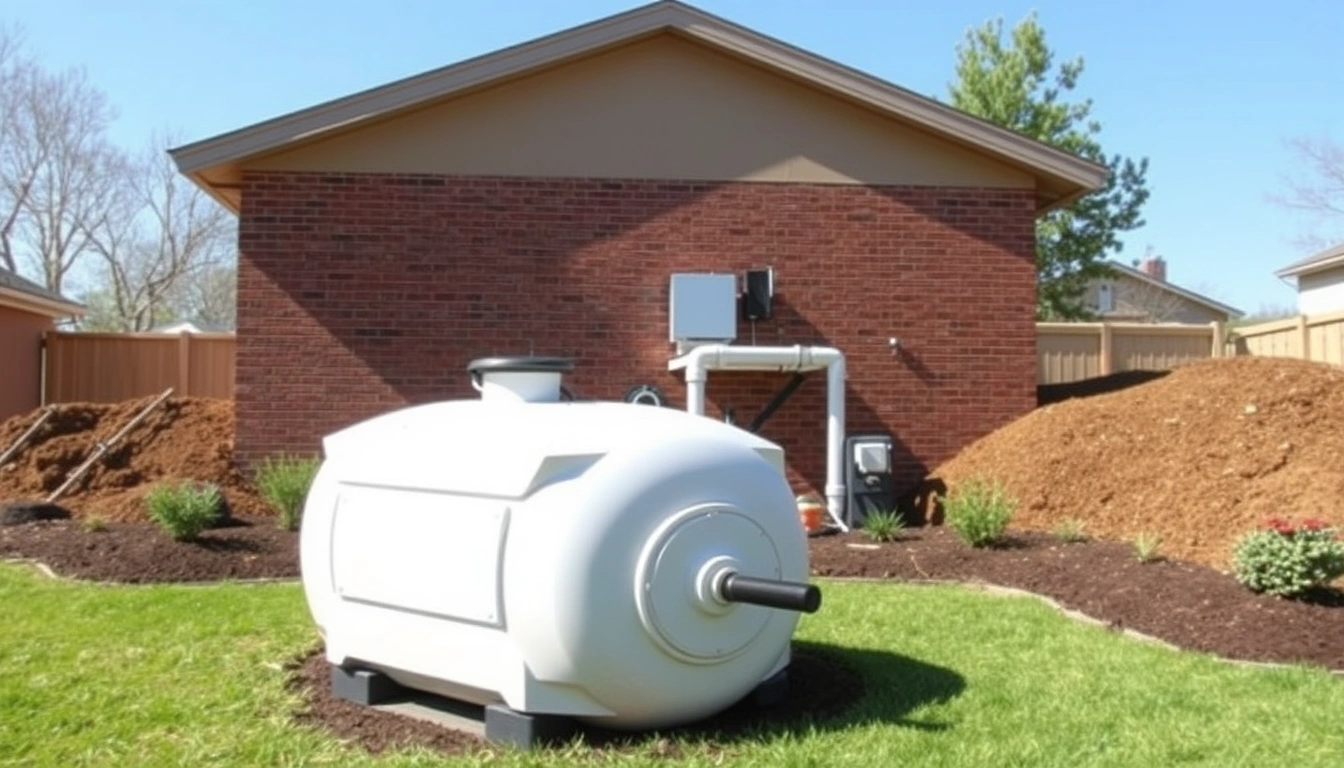
The system type matters as well. A basic gravity-fed setup is usually simpler than a pump system, pressure distribution system, sand filter, aerobic treatment unit, or mound system. Each step up in complexity usually means more equipment, more electrical or mechanical parts, more inspection points, and more maintenance. That complexity is not free, and it also affects long-term operating costs, not just the installation price. For many homeowners, the monthly power use is small, but the repair risk is higher than with a gravity system.
How is a new septic system priced step by step?

A new septic system gets priced by moving from site investigation to approved design to excavation and installation, with each step adding cost if the site is difficult. The quote should reflect the actual sequence, not just a single lump sum. Otherwise, the numbers are wearing a costume.
- Confirm the allowed system type on the lot. Check local zoning, health department rules, and minimum lot size or setback requirements before design work starts. Verify whether gravity, pressure, mound, or another system is permitted. Trouble shows up when the lot cannot meet setbacks from a well, stream, or foundation, because then the cheapest system may not be allowed at all. A county planner or health officer should confirm that in writing.
- Order the soil evaluation or perc test. Arrange the required site evaluation under local rules, which may involve test pits, soil logs, or infiltration testing. Verify whether the soil has enough usable depth above restrictive layers such as clay, bedrock, or seasonal water. A problem is slow drainage, shallow groundwater, or rock at a depth that leaves too little room for the drainfield. The EPA says soil treatment is central to onsite wastewater performance. [EPA soil and septic guidance](https://www.epa.gov/septic).
- Estimate daily wastewater flow. Base the system size on the number of bedrooms, expected occupancy, and any fixed local sizing rule. Verify the design matches the required gallons per day or fixture count used in your jurisdiction. A problem appears when the home plan changes after the septic design is drawn, because the system may be undersized and require redesign. Many jurisdictions use bedroom count to estimate flow.
- Choose the treatment and dispersal method. Decide whether the site can use a standard tank and drainfield or needs a pump, pressure manifold, sand filter, aerobic treatment unit, or mound. Verify whether the selected method is approved locally and whether it adds electrical service, alarm panels, or extra inspection access. A problem is any design that is technically possible but not maintainable on the lot. A licensed designer can help compare the options.
- Map the layout with real dimensions. Place the tank, reserve area, piping, and drainfield on a scaled plan that respects setbacks and topography. Verify trench length, field area, and burial depth before work starts. A problem shows up when the field fits only by cutting into a slope, crossing tree roots, or placing lines too near a well. That can trigger a redesign and another permit review.
- Price excavation and site prep separately from equipment. Ask what the installer is carrying for trenching, hauling spoil, dewatering, rock breaking, and restoration. Verify whether the quote includes removing old structures, clearing brush, or importing fill. A problem is a low equipment price paired with high add-on charges once the site is opened up. The labor line can change quickly if rock or water is found.
- Include permits, inspections, and final approval. Confirm who handles permit applications, plan review, inspections, and as-built drawings. Verify the timeline and whether the local authority requires multiple inspections before backfill. A problem appears when the installer starts work before approval and then has to pause, which can raise labor and equipment costs. Some counties also charge separate application and inspection fees.
- Separate installation cost from long-term maintenance. Identify what the system will need after startup: pumping interval, filter cleaning, alarm checks, or electrical power for pumps. Verify whether maintenance is annual or less frequent under local rules. A problem is treating the initial quote as the full lifetime cost, when a more complex system may cost less to install but more to operate over time. The EPA recommends routine inspection and pumping as needed. [EPA maintenance guidance](https://www.epa.gov/septic).
Usually, the quote climbs when the design has to solve a problem the land created: shallow soil, poor drainage, steep grade, or not enough room. It stays lower when the system can follow a straightforward gravity layout with short runs, simple excavation, and standard components. A quote that never mentions soil or access is leaving out the real drivers.
What makes one septic system cost more than another?
One septic system costs more than another because it uses more land, more engineering, more machinery, or more mechanical parts. The priciest piece is often not the tank at all; it is the treatment and dispersal method the site forces you to use. Two lots a few streets apart can still produce a quote gap of several thousand dollars. That math stops working fast if you assume every parcel behaves the same.
A conventional gravity system is usually the least complicated when the lot cooperates. The tank size is only one piece. If the field can sit downhill from the house with good soil and enough separation from groundwater, the system can stay relatively simple. When that is not possible, a pump station may be needed to move effluent uphill or across a longer distance. That adds electrical work, floats, controls, and a component that must be serviced. A pump can also add a few hundred dollars a year in power and maintenance.
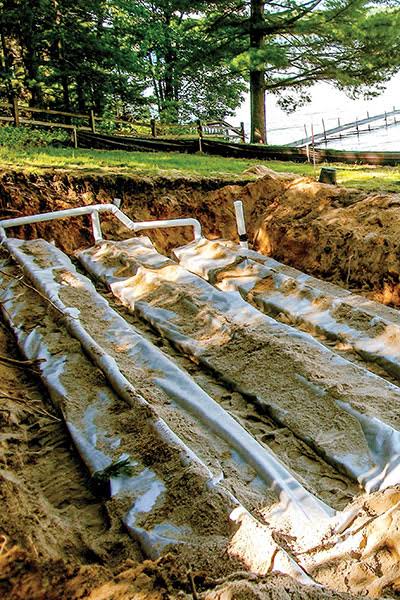
Mound systems and other elevated designs cost more because they need imported sand or fill, careful grading, and more visible footprint. They are often used where soil conditions or groundwater depth leave too little native soil for a conventional drainfield. The extra material alone can change the price meaningfully, and the system may also be more visible on the landscape. In some rural counties, the fill and grading can add days to the schedule.
Engineered systems also cost more because design time becomes part of the job. A standard layout can often follow local rules with a straightforward plan. A nonstandard site may need stamped drawings, soil logs, sizing calculations, and a reserve area plan. The professional fee can be a real part of the budget, not a side note. On difficult lots, the design fee may be a small share of the total, but it can still save a failed permit.
Location matters in another way: labor rates and permit structures vary by country, state, county, and municipality. I would not treat any single online price as transferable from one place to another. A site near rock ledge in one county may be routine in another because the local rules, contractors, and inspection process are different. For example, permit and inspection costs can range from under $500 to well over $2,000 depending on the jurisdiction.
The mistakes that change the bill the most
The biggest budgeting mistake is assuming the tank is the whole job. A tank is only one component. If you budget only for the tank and piping, the drainfield, excavation, permitting, and restoration can surprise you. The result is a quote that looks manageable until the site gets opened and the missing pieces appear. Better alternative? Ask for a line-item estimate that separates design, permits, excavation, materials, electrical work, and restoration.
Another mistake is choosing a lot before checking septic feasibility. A parcel with no obvious sewer connection can still be unusable for a septic system if the soils are poor or the setbacks are too tight. The result is buying land that needs a far more expensive system than expected, or cannot support one at all. Better alternative is to get site evaluation results before closing if the purchase depends on septic approval. Many lenders and title companies also want documentation.
A third mistake is changing the house plan after septic design starts. More bedrooms usually mean higher design flow, and that can change tank size, field area, or the approved system type. The result is redesign fees and possible permit revisions. Better alternative is to freeze the floor plan before the septic permit is filed. A small plan change can add a large delay.
A fourth mistake is ignoring site access. If equipment cannot reach the work area easily, labor rises quickly. The result is extra machine time, manual digging, or temporary removal of fences, trees, or hardscape. Better alternative is to ask the installer how a backhoe, mini excavator, or dump truck will reach the site and what restoration is included. Access can shift cost more than a minor equipment upgrade.
A fifth mistake is comparing quotes without asking what each quote excludes. One bid may include soil tests and inspections; another may not. One may cover pump wiring or alarm installation; another may not. The result is a false comparison that leads to budget overruns. Better alternative is to demand the same scope in every bid and compare only like with like. Two quotes can differ by thousands of dollars because of one excluded permit or test.
When does the standard approach not apply?
The standard gravity system does not apply when the site cannot meet soil, groundwater, slope, or setback requirements. In those cases, the price jumps because the design has to work around the land instead of with it. Below are the main situations where I would expect a different approach.
High groundwater within the usable soil depth: This means the drainfield cannot sit far enough above saturation to function under local code — expect an elevated, pumped, or alternative treatment design, and budget for extra excavation or fill.
Shallow bedrock or ledge: This means there is not enough native soil depth for a conventional field — expect a raised system, imported material, or an engineered solution, depending on local approval.
Small lot with tight setbacks: This means the tank and field cannot be placed where a normal layout would go — expect longer piping, a more compact approved design, or in some cases no feasible septic approval.
Steep slope: This means gravity flow may be hard to manage safely — expect terracing, retaining measures, or a pressure-based system, which can raise both installation and maintenance cost.
Property near a well, stream, or wetland: This means setback rules may remove the easiest part of the lot from consideration — expect the system to move farther away, which can increase trench length, pumping needs, or design complexity.
Confirmed clay or slow-percolating soil: This means effluent moves too slowly through the native soil — expect a larger area, alternative treatment, or a different dispersal method, not just a bigger tank.
These are not minor tweaks. They are the spots where a “simple septic quote” stops being simple. If a seller or contractor treats them as routine, I would slow down and ask for the permit basis in writing.
How long does it take, and what does a fair quote usually include?
A new septic system can take days of field work and longer in permits, because the schedule is usually driven by approval, weather, and excavation conditions rather than just crew availability. The exact timing depends on local authority review, soil testing, utility marking, and whether the site is ready when the crew arrives. In some areas, permitting can take 2 to 8 weeks before digging starts.
A fair quote should usually include site evaluation, system design if required, permit handling, excavation, tank, piping, drainfield or approved dispersal components, inspection coordination, backfill, and basic restoration. In some areas, that also includes pump wiring, control panels, alarm systems, or import of fill. It should say what happens if rock, groundwater, or unsuitable soil is found during excavation. If the quote is vague on these points, it is not really a budget; it is a starting assumption. Ask for the exclusions in writing.
A good result is not the cheapest number. It is a system that matches the site, clears inspection, and does not need a redesign halfway through the job. On a straightforward lot, that can look like a conventional layout with clean trenching and minimal extra material. On a difficult lot, a good result may be a more expensive engineered system that works from the start.